The Evolution and Significance of Construction Equipment in Modern Infrastructure Development
Understanding the Role of Heavy Equipment in Modern Construction Projects
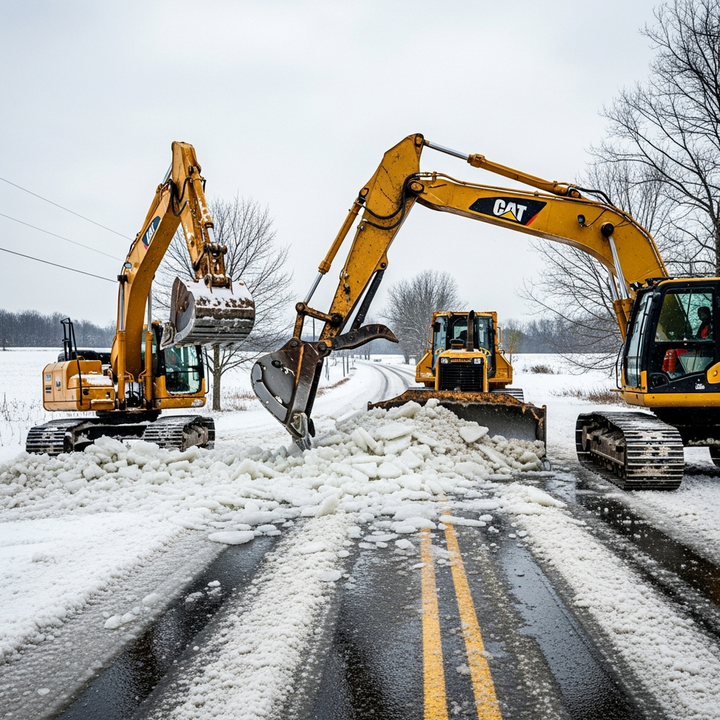
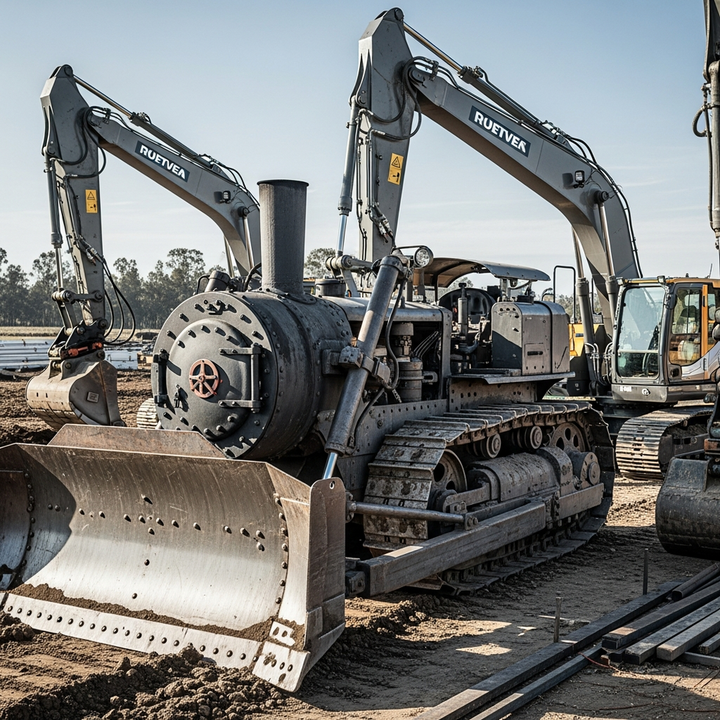
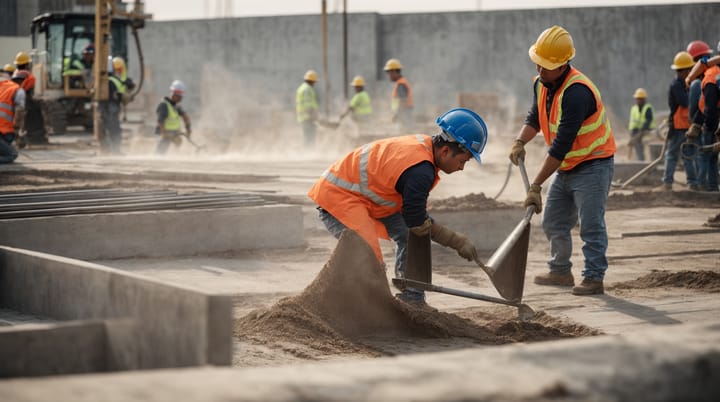
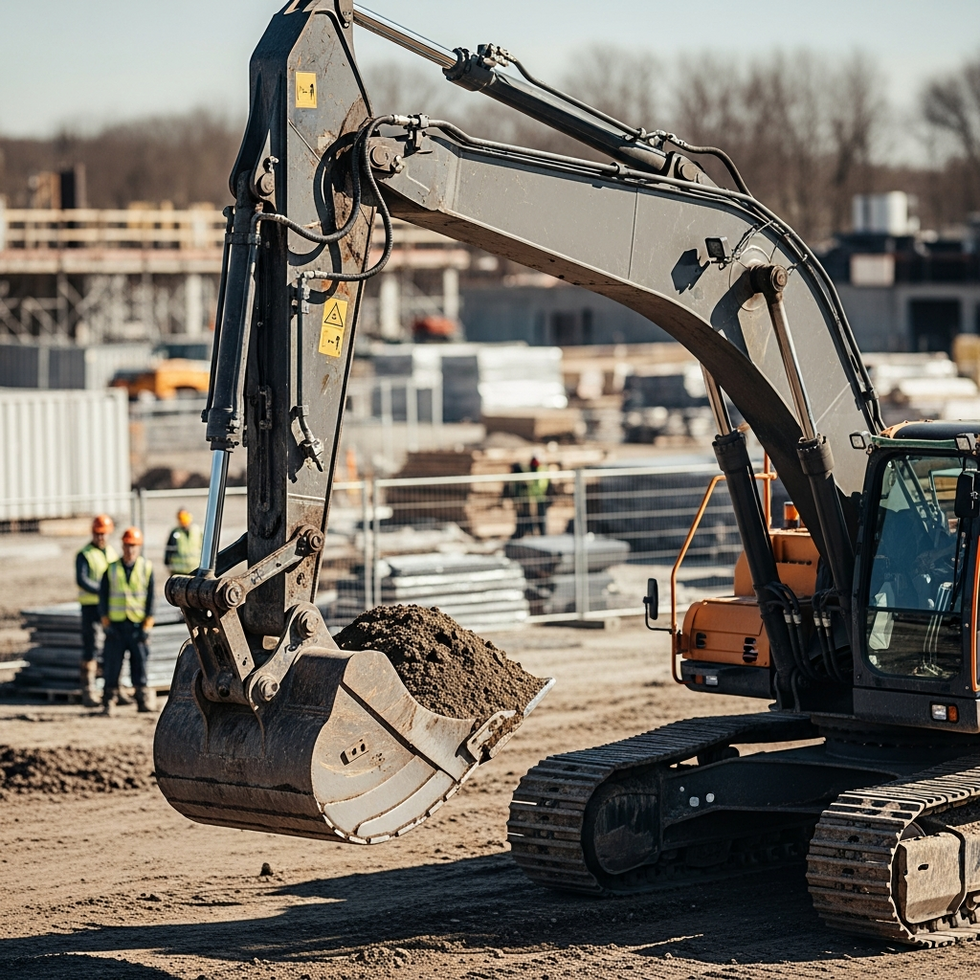
When cities expand fast, tough work needs smart tools. Not every job fits a shovel and sweat alone. Machines like diggers, movers, lifters, and haulers turn raw sites into real places. Without them, building roads, towers, or bridges would drag endlessly. Their job? Turning raw effort into measurable progress. Each model rises to challenge scale, speed, and precision alike. Technology keeps changing how these machines work, because they now come with tools like GPS tracking, long-distance control, also greener power sources that make tasks faster while harming nature less. Take excavators - their hydraulic setup allows sharp control during underground work or moving heavy items, which helps build roads just as much as reshape city blocks. Heavy equipment once demanded constant human effort; now it runs smoother, faster, less dependent on raw endurance, all because upgrades keep reshaping what such devices are capable of.
Technological Innovations Boosting Efficiency and Safety in Construction Equipment
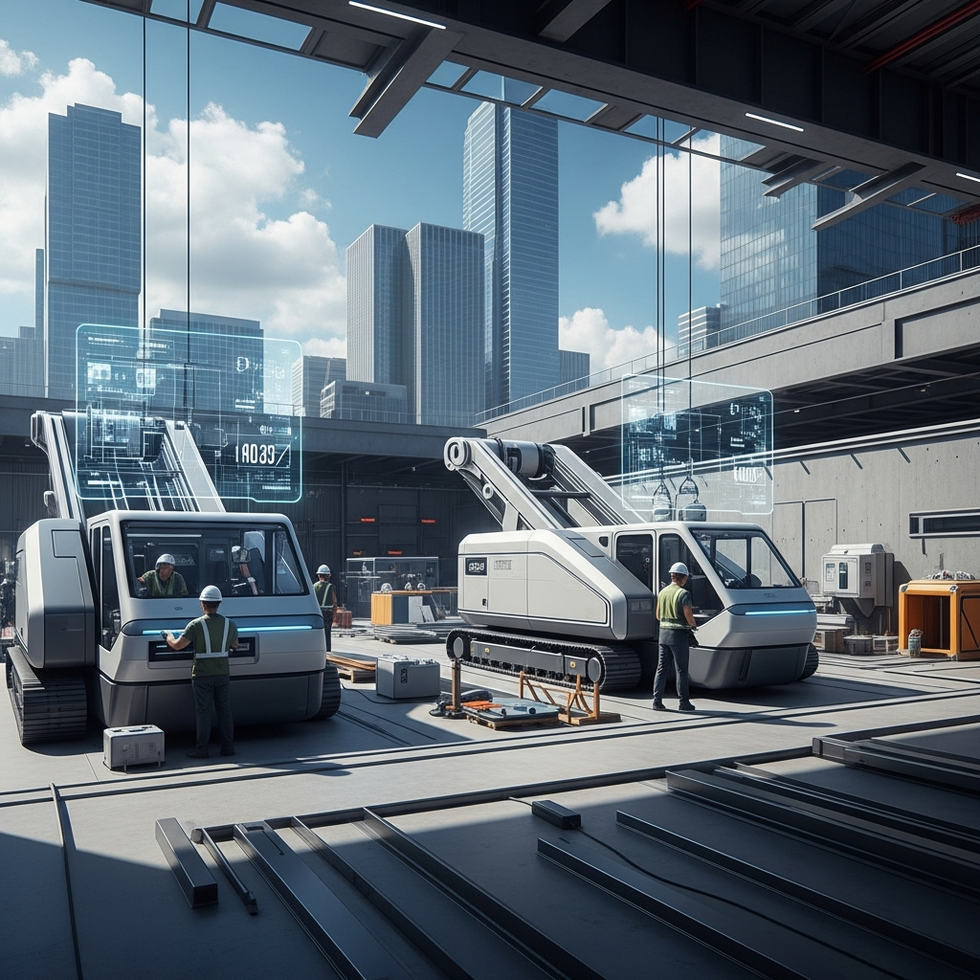
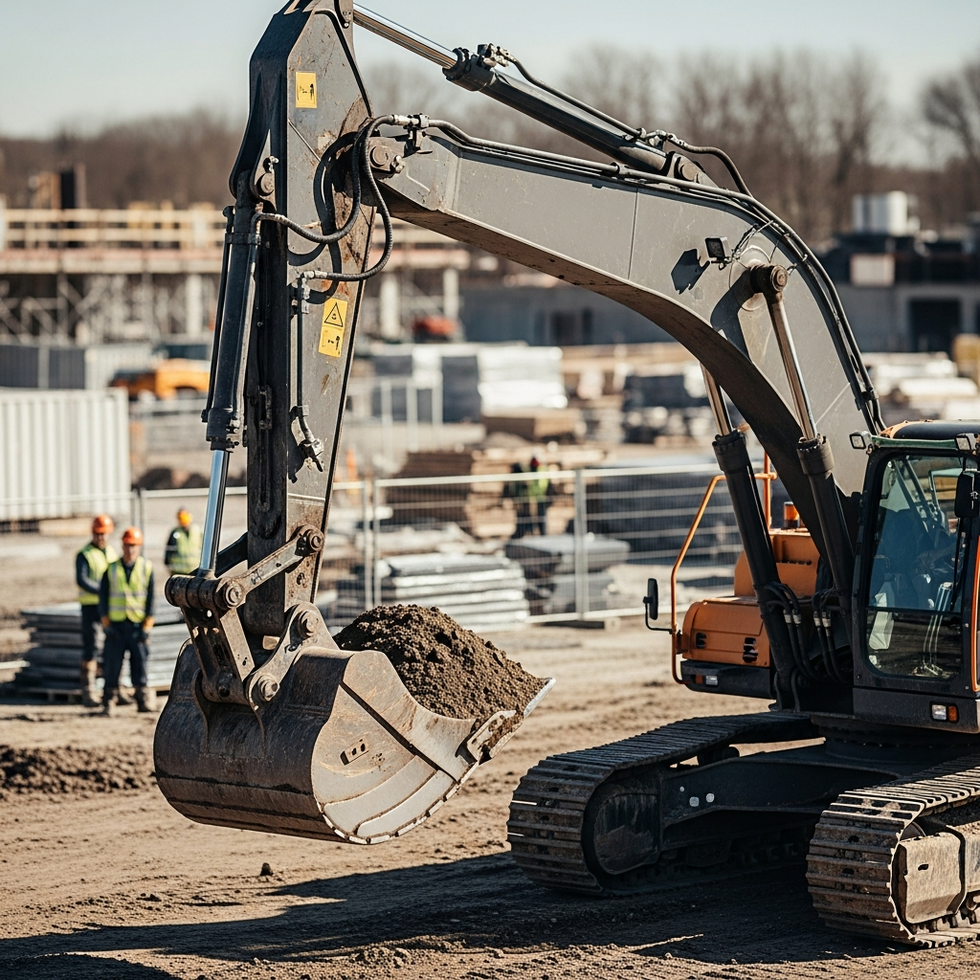
Nowhere is building changing fast than with today’s high-tech gear in job sites globally. When danger lurks nearby, distance matters - thanks to systems letting drivers run machines alone. Even underground digging finds sharper control through satellite tracking, nudging crews toward fewer errors, less trash piling up. Now think about how machines might work on their own. Automation, along with artificial intelligence, slowly reshapes what builds things. Take an empty site - now imagine a self-driving bulldozer moving dirt without someone always nearby. These machines handle dull work nonstop, cutting down hours spent by workers. Less people around mean lower expenses tied to hiring. Safety improves too when fewer folks are near moving parts. Behind the scenes, tiny sensors live inside gear, watching every spin and tweak. They catch small signs of wear before anything fails. That quiet watch means repairs happen just in time, no rush, no waste. Ahead of today’s pace, new eco-focused power units alongside hybrid setups back smarter, cleaner building methods while tying efficiency to environmental gain.
Future Trends Shaping the Construction Equipment Industry
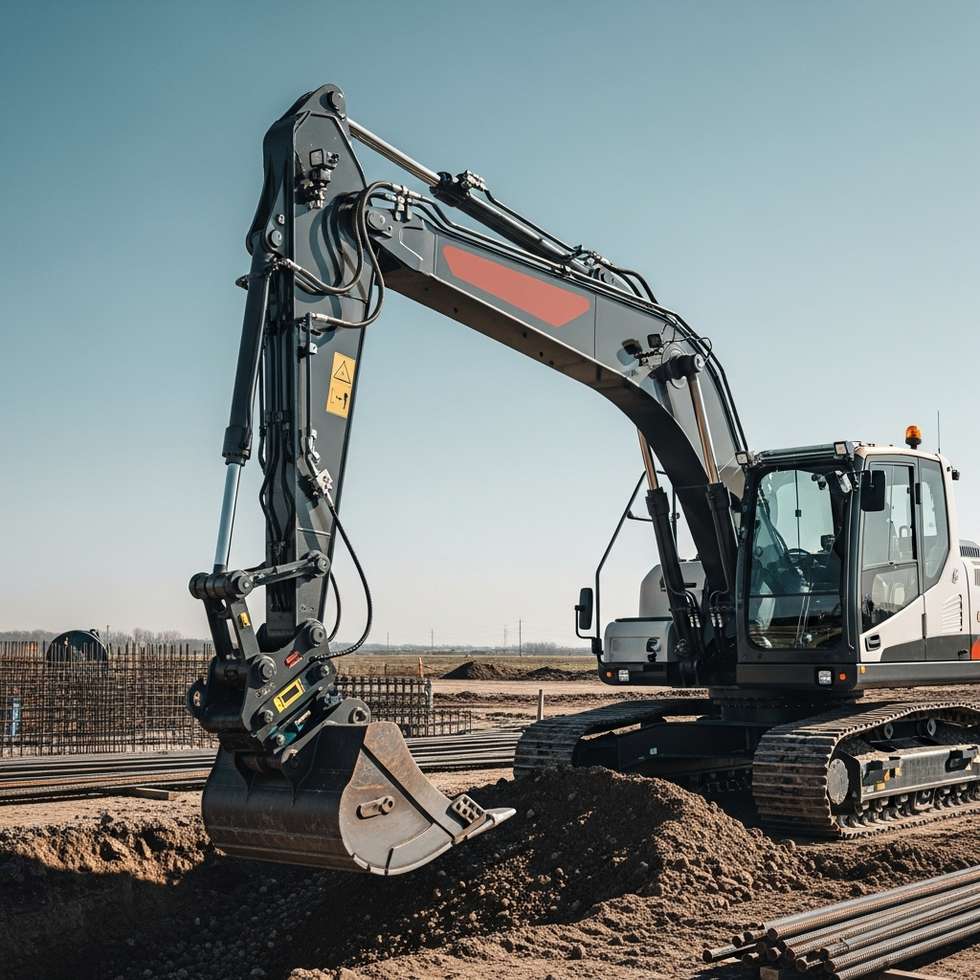
What lies ahead holds major shifts in how construction gear evolves, shaped by eco-minded goals and fresh thinking. Heavy machines are starting to go electric, prompted by growing demands to cut pollution, with early models of battery-powered diggers and dumpers appearing now - these run softer on sites while keeping expenses down. Instead of guessing, teams can already use digital copies of sites plus live feedback tracking to test and watch machine behavior before it arrives, smoothing out daily operations and making better use of materials. Built in parts, today's machines do many jobs on one site instead of coming and going for each task. City life moves faster now, so tech tied to smart sensors helps teams stay ahead of problems before they grow. Robots might work alongside humans at building sites by next decade, learning routines from artificial intelligence. Power without pollution could become common - clean energy sources powering everything from small tools to giant excavators. Efficiency grows when decisions rely on real-time data rather than old plans made by hand. Safety improves quietly through design choices that limit risk before accidents happen.