Revolutionizing Heavy Equipment: The Future of Concrete Construction
The Push for Sustainability in Concrete Equipment
As the construction industry evolves, the demand for sustainability intensifies, prompting manufacturers to create eco-friendly heavy equipment. Recent innovations emphasize reducing carbon footprints and enhancing recycling capabilities. Sustainable construction equipment now features advanced materials and energy-efficient technologies, setting new standards for the industry while complying with stricter environmental regulations. These developments not only aid in creating a cleaner planet but also boost operational efficiencies, leading to cost savings and improved project timelines for builders and developers alike.
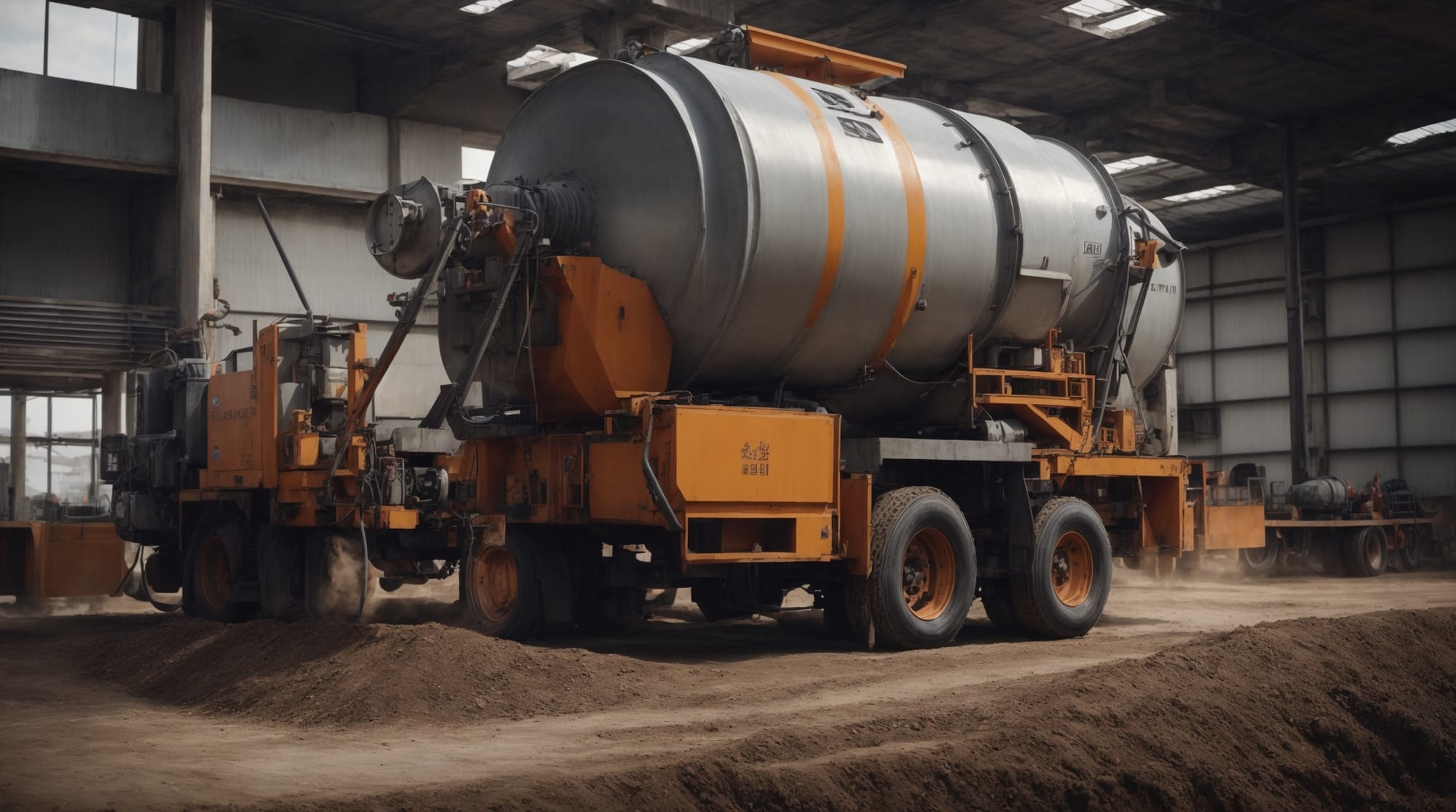
Leveraging Advanced Technology in Concrete Machines
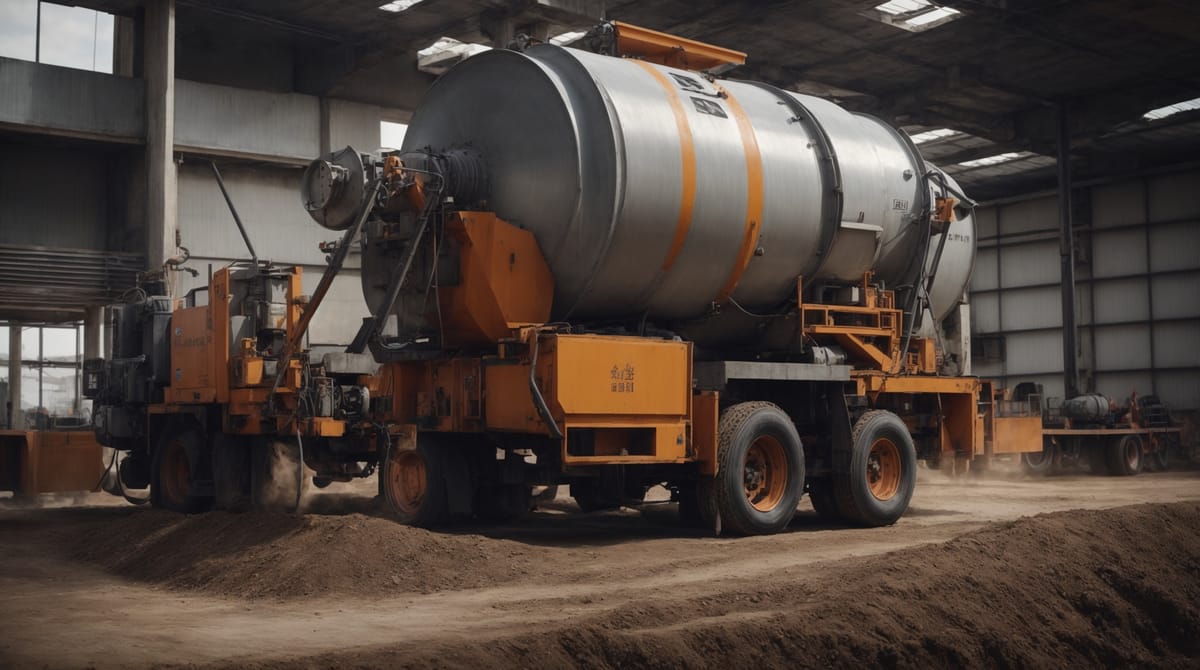
Innovative software and automation are now fundamental to concrete construction equipment, ranging from batching systems to cutting-edge mixing technologies. These systems aim to optimize resource use,
Integrating Advanced Materials for Improved Performance
The use of high-performance materials like lightweight composites and ultra-high-performance concrete (UHPC) in construction equipment is transformative. These materials provide remarkable strength and durability, minimizing wear and tear on machinery and enhancing its lifespan. Furthermore, their ability to endure harsh environmental conditions makes the equipment more adaptable and dependable across various construction sites, optimizing capital investments and operational costs for construction firms addressing a range of project needs.
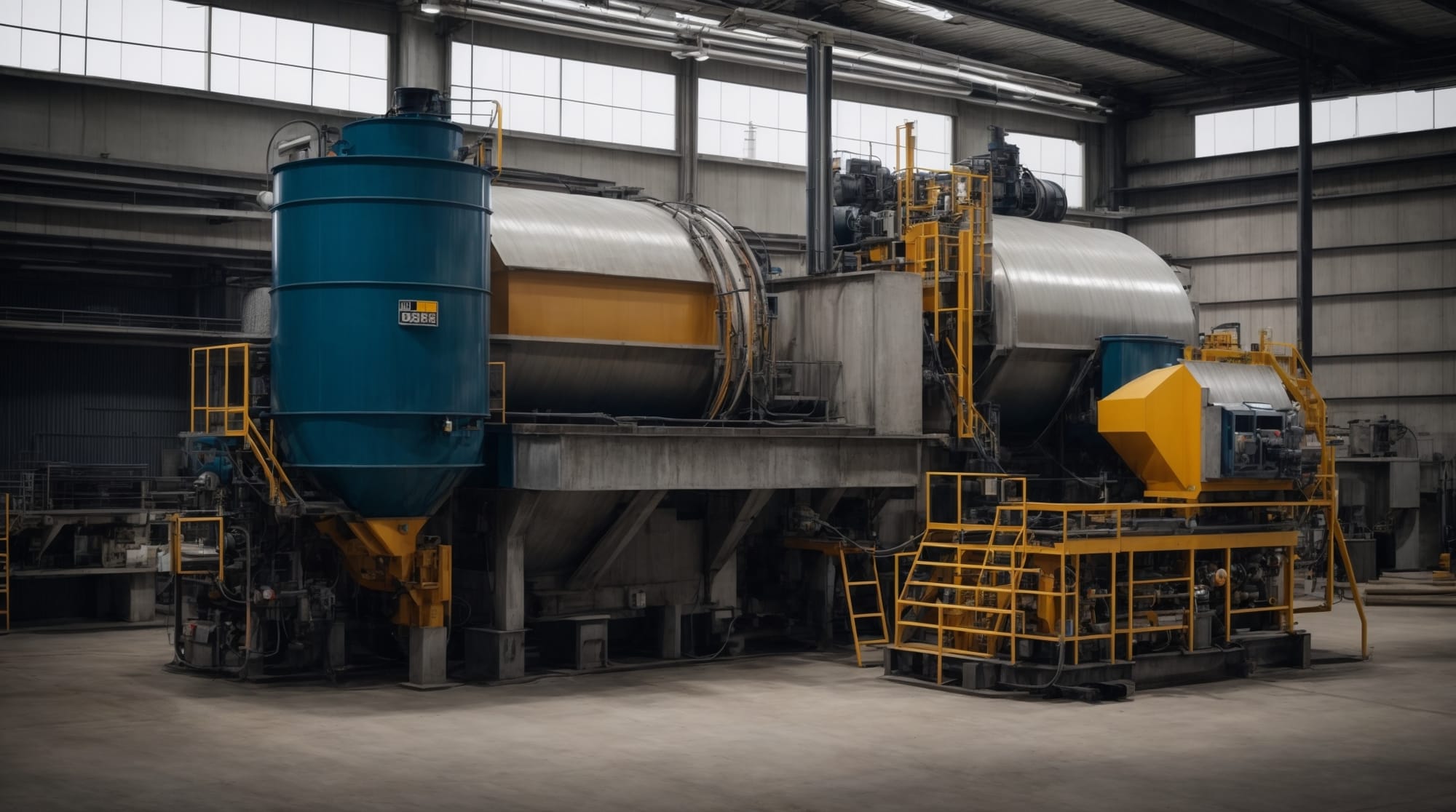
Safety Innovations in Heavy Construction Equipment
Safety continues to be a primary focus in the design and execution of heavy construction machinery. Innovative features like improved user interfaces, automated safety locks, and real-time diagnostics aid in accident prevention and promote the safety of operators. Progressive companies are adopting sensors and IoT technology to foresee maintenance requirements and mitigate potential breakdowns. These anticipatory steps not only minimize downtime but also safeguard investments and ensure adherence to international safety regulations.