Revolutionizing Construction with Cutting-Edge Heavy Equipment Innovations
Emergence of Automation and Smart Technology in Heavy Construction Machinery
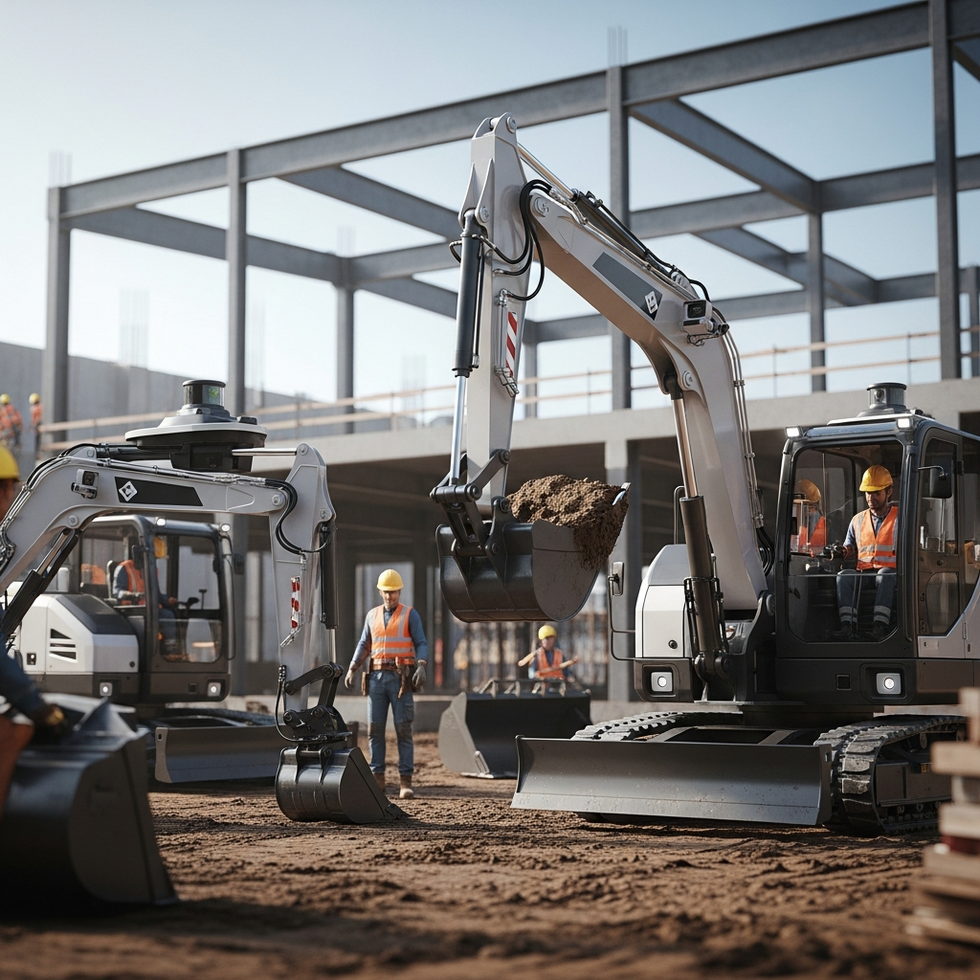
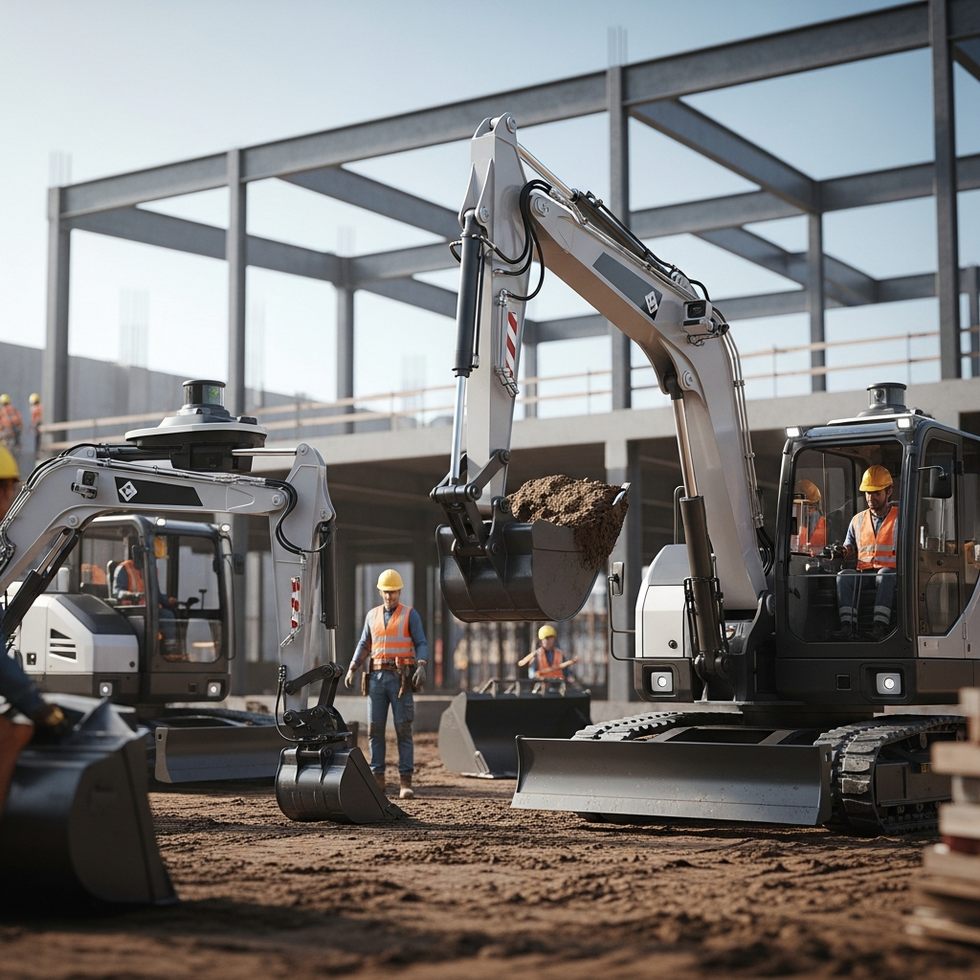
On today’s building sites, automated tools help work flow smoother while keeping people safer. Instead of old methods, companies bring in high-tech sensors along with location tracking and smart data systems into machines. Machines like excavators learn to act on their own, copying how people run them, cutting down watchful tasks and slipping fewer mistakes. Information flows right away, live, without delay. With such tools in place, running sites shifts toward oversight - less time tweaking, more time guiding. Speed up projects they do, safety stays solid, yet work flows faster. Equipment linked by IoT shares updates on the fly: status signs, position marks, output numbers. Automation meeting digital networks reshapes how builders manage jobs now - seeing risks ahead helps, less time stands still. When this tech grows stronger, more autonomous big machines will start showing up - particularly where jobs repeat or involve danger. A sharper, safer work zone begins to form - efficiency climbs while people stay safer. Pushing things forward, firms such as John Deere and Caterpillar are shaping self-driving excavators that handle tangled sites without hiccups. Their progress quietly reshapes how construction gear gets used across continents.
Sustainable Innovations Promoting Eco-Friendly Construction Practices
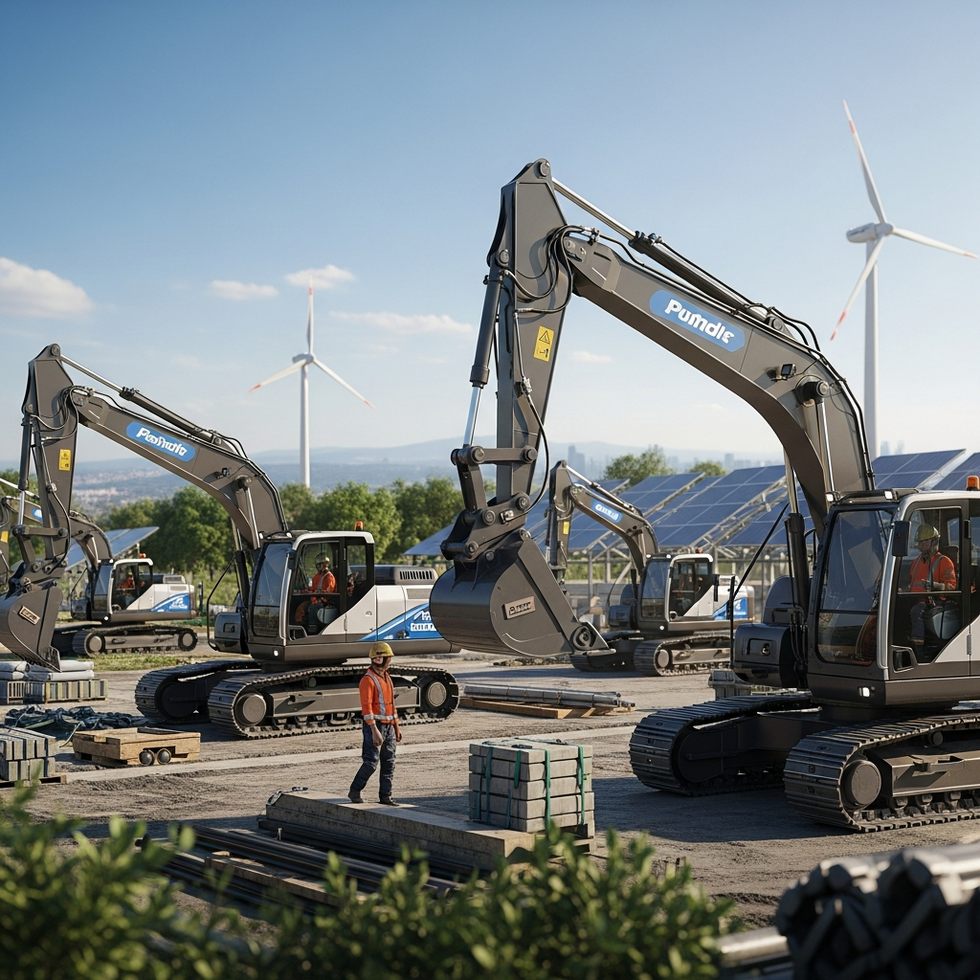
These days, builders often pick green solutions that cut down on nature's load without slowing things down. Instead of old-style diesel machines, companies making gear for sites now build some with batteries or mixed systems. That shift means less smoke and less fuel poured in, especially where people breathe the same air. Take big digging tools - some work electrically on city-area jobs where clean air matters most. What's more, new tech such as regenerative braking brings back energy while machines run, boosting how well they work. Cleaner operations on site come partly from greener lubricants and hydraulic fluids designed to break down easily. Shifting toward lighter, tougher materials cuts machine weight - this helps cut pollution from moving them around. Firms building projects now lean into eco-friendly choices, seeing lower bills alongside lighter impact on nature. With tighter pollution rules plus rewards from officials, public pressure pushes businesses toward cleaner methods. Brands such as Komatsu, along with Volvo, lead change by rolling out machines made with greener tech - proof that greyness still drives progress in site gear.
Integration of Digital Twin Technology for Enhanced Project Management
What grabs attention in modern heavy machinery and building oversight isn’t always flashy - it’s digital twins. These online copies mimic real-world machines or full construction areas, running continuously with current data. Sensors inside big tools feed that information, turning it into live feedback for leadership. Instead of waiting for problems, insights appear ahead of failures. Adjustments happen inside simulations, ready before actual repairs begin. With precise details in hand, groups can spot trouble before it grows. Instead of reacting late, they adjust early using shared digital models. Workers across roles - engineers, builders, machine drivers - all access the same up-to-date view. Clearer conversations happen when everyone sees the same numbers. When buildings get tangled in layers of design, one connected system keeps pace without slowdowns. Insights emerge fast because facts flow without delay, cutting down surprises after deadlines pass. Firms like Autodesk and Trimble, long tied to construction tech, now bring digital twin tools built exactly for job sites. With each upgrade, work becomes sharper, quicker, less prone to error - shifting how projects are planned and tracked. Sustainability gains often follow, woven into daily operations without extra effort.