President Trump's Approach to Housing Policy Raises Concerns About Affordability and Political Strategy
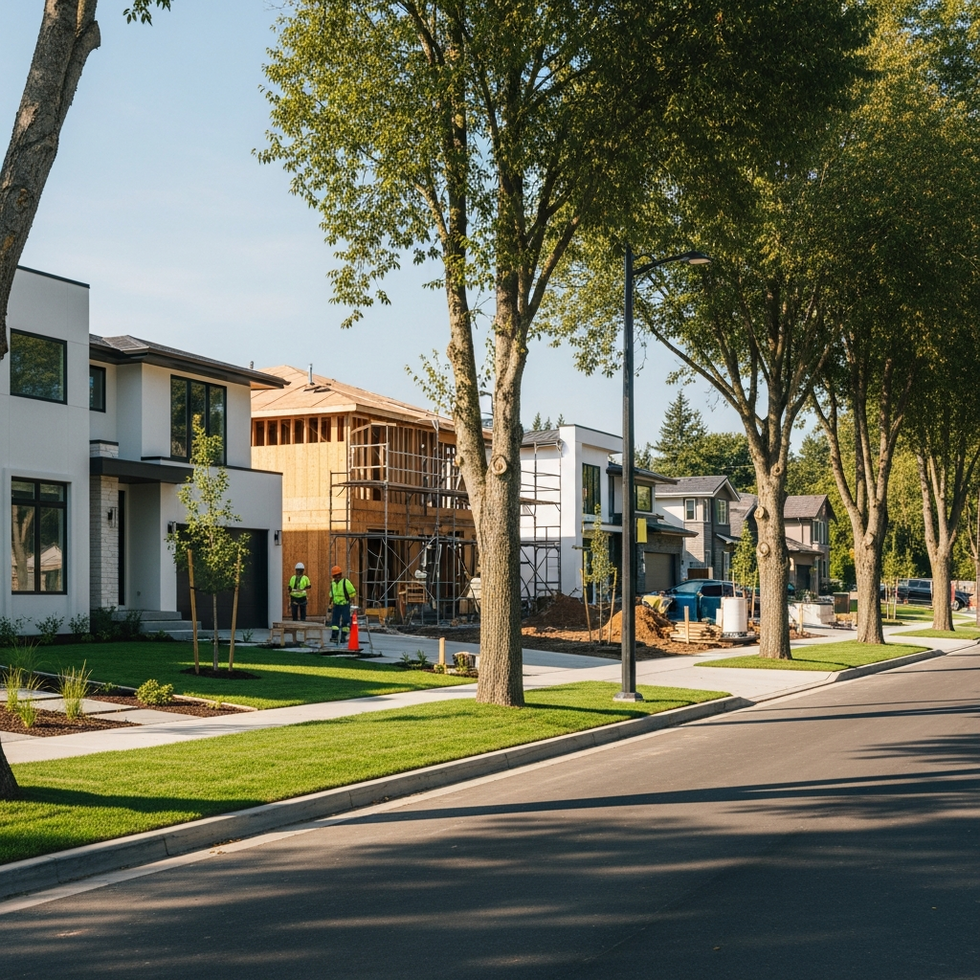
President Trump's Shift Toward Protecting Home Values Over Increasing Housing Supply
Nowadays, President Donald Trump seems determined to maintain strong housing prices. Instead of pushing for more building and available homes, he’s spoken out against efforts that could ease shortages. Looking back, he once backed moves like cutting red tape and offering tax breaks for construction firms. Yet today, his focus leans toward protecting current homeowners - especially those nearing retirement age. This change hints at calculated choices meant to strengthen his re-election chances. Older voters often cast ballots more frequently when Congress seats are up for grabs. So, supporting stable property worth may quietly build loyalty among key voters. Focusing only on shielding existing affordable housing, Trump targets those who already back him and hopes it keeps them voting, regardless of how worse home costs get for others. Since these moves do little to fix tight rental markets where families struggle, analysts say they could widen gaps between older neighborhoods and newer towns dealing with scarcity, leaving unclear what future consequences might follow.
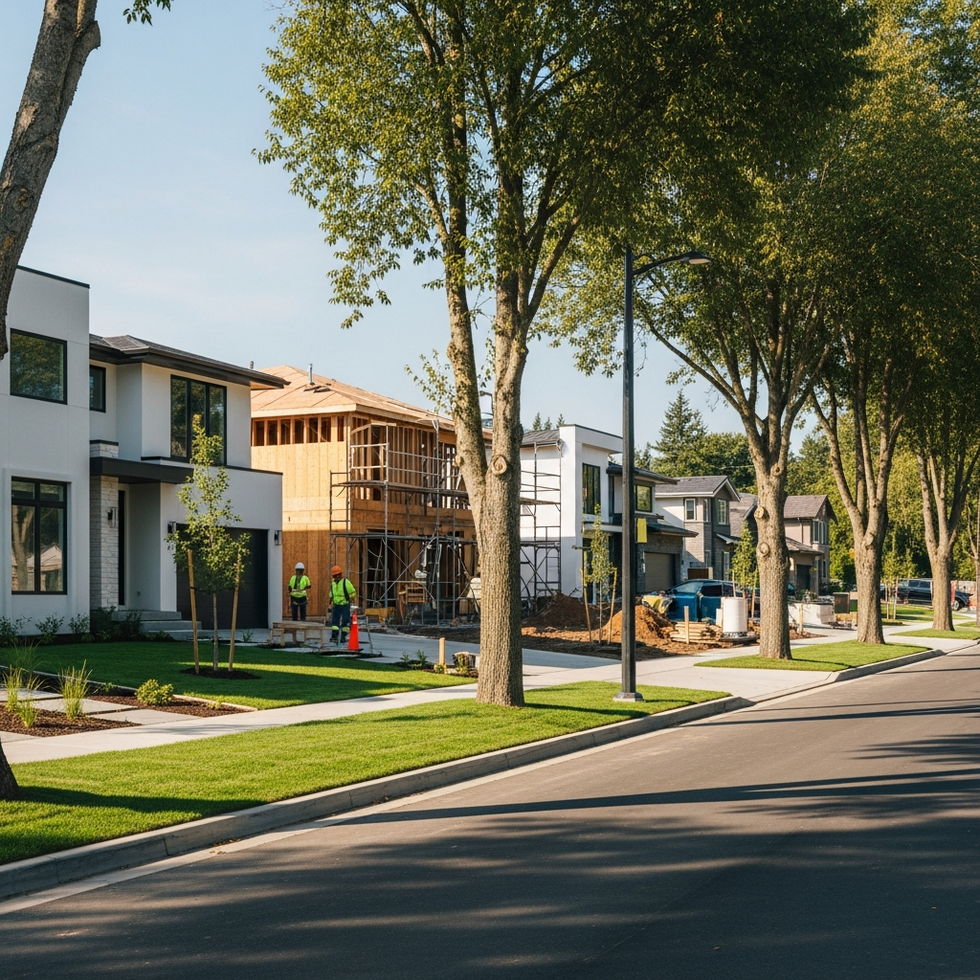
Economic and Political Implications of Focusing on Homeowner Protection
Even if keeping up with current home prices helps richer retirees stay wealthy, it could quietly block fresh building work needed to tackle the U.S. lack of cheap homes. Numbers show fewer approvals for standalone residences since Trump took office - down 9.4 percent just in the last twelve months. That slowdown worsens the gap between what houses cost and what people earn, pushing dwelling costs even higher beyond reach for many starting buyers and younger couples. New rules might backfire on those young adults aiming to buy their first home, particularly where pay stays too low to match climbing costs. Meanwhile, moves by leaders under Biden plus supporters in housing world point toward livelier rules - pushing faster construction while easing red tape - a shift that stands almost entirely apart from what Trump’s team now advocates: blocking fresh additions to the market.

Voter Demographics and the Political Calculus Behind Housing Policies
Focusing on keeping home prices steady, Trump hopes to maintain backing from elderly voters - many of whom own homes and tend to participate more in midterms. Statistics reveal 81 percent of those supporting Trump also own property, gaining from upward trends in value over time. Still, such tactics might push away younger groups, especially individuals below forty, who care deeply about cost of living and may never fully own a residence. Shoulder the blame? Experts say ignoring younger groups might stir trouble ahead, given how much weight their votes carry in upcoming elections. With moves from leaders across parties pushing changes in building rules and development rules, one thing stands out - they’re trying to make space for newer, up-and-coming homebuyers. Yet Trump’s shift in stance risks blocking those efforts. As election season closes in, tensions between housing plans centered on long-time owners and those aiming to widen entry remain sharp, steering much of the debate.