Innovative Insights into Concrete Handling with Heavy Equipment for Modern Construction
Advancements in Heavy Equipment Transforming Concrete Construction
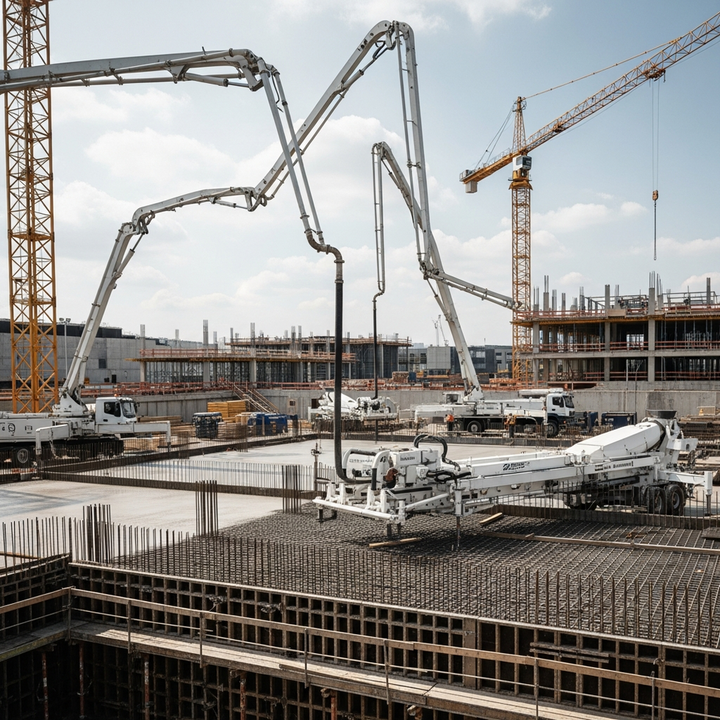
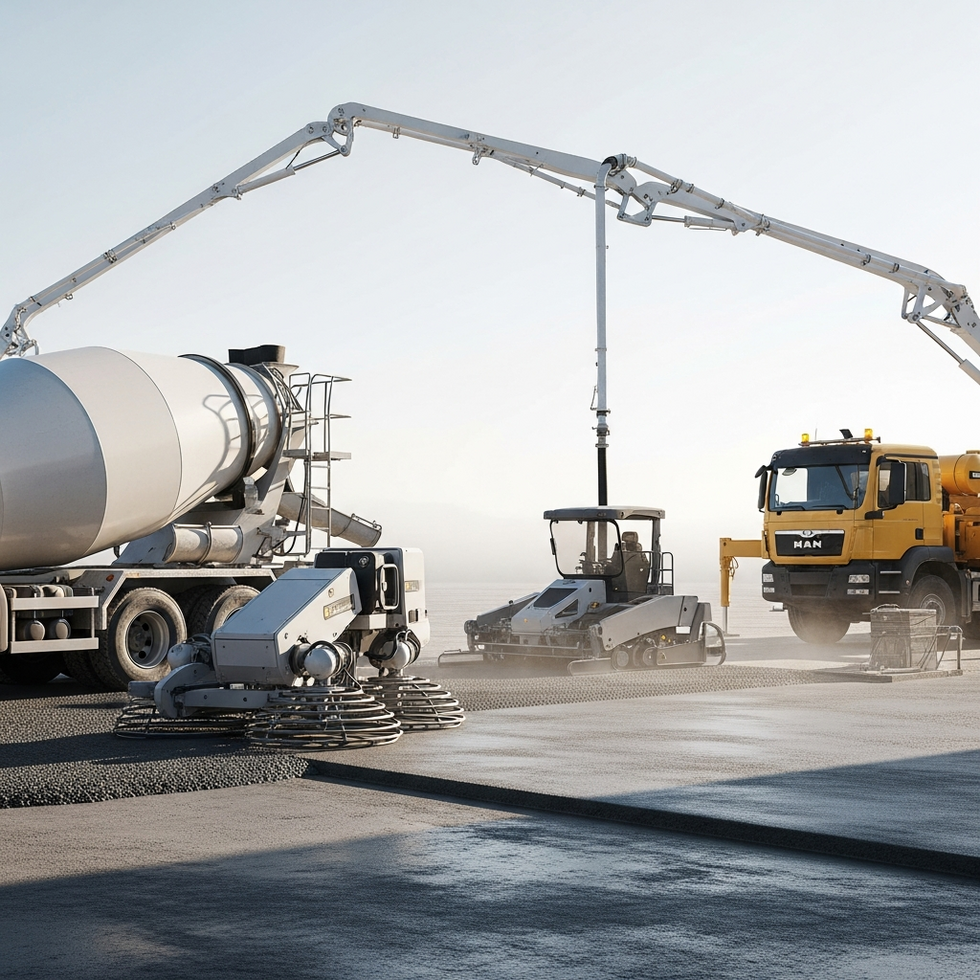
Out on job sites, big changes are happening with machines built just for handling concrete. Instead of slower methods, teams now rely on high-capacity mixers that move work forward fast. Cranes have gotten smarter too - lifting materials with more control than before. Robotic trowels take over precise tasks, cutting down errors plus saving effort. Because builders want safer processes, smarter tools are showing up more. Fewer workers are needed when machines handle tougher roles. Projects finish quicker simply because less time gets wasted. What stands out is how automated systems paired with IoT enable live feedback plus long-distance control, leading to sharper accuracy, fewer mistakes during tasks, along with shorter stoppages. Take high-end concrete pumps - they stretch to reach distant spots like never before, opening paths to intricate three-dimensional building designs once out of reach. Running these machines means learning fast, adjusting often; because of that, dedicated courses have popped up to equip both frontline staff and supervisory teams, blending performance gains with safe practices. Still, builders welcome new ideas mixing old methods with smart automated tools - shaping stronger, quicker, longer-lasting concrete frames ahead.
Cutting-Edge Techniques and Equipment Improving Concrete Quality
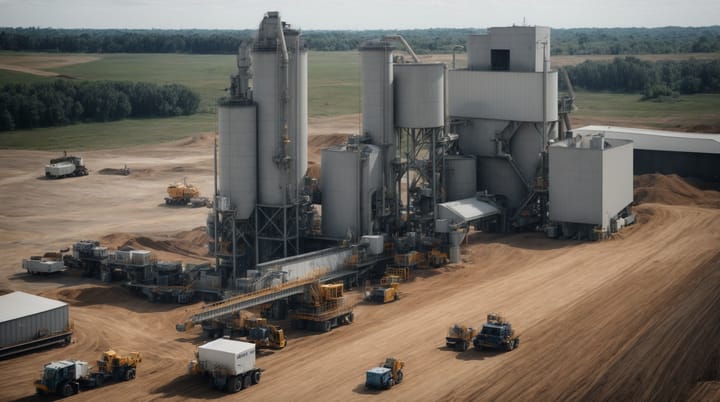
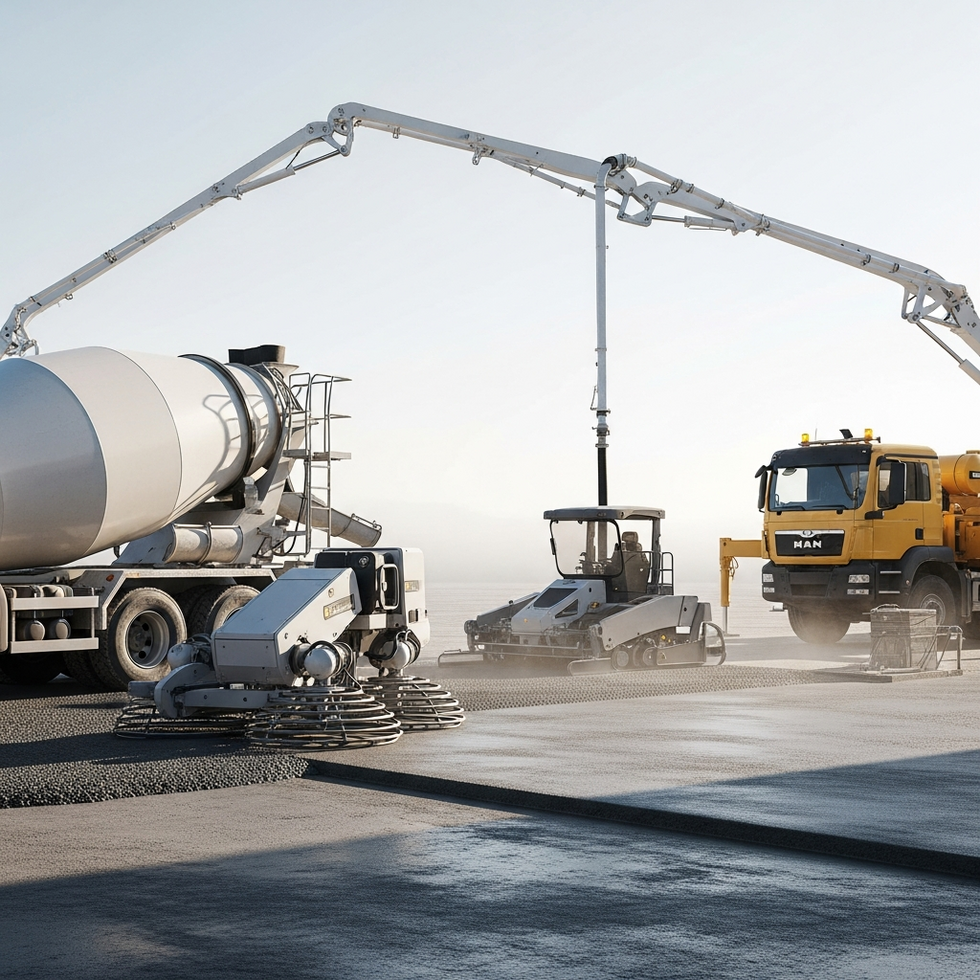
Achieving strong, reliable concrete matters when building places people live and work. Modern machines now handle tasks with more accuracy than before. Some newer batching systems measure every ingredient with exactness, cutting down errors. Because these setups track each batch closely, results stay uniform across batches. Once poured, new compactors with smart motors press concrete firmly - pushing out empty spaces. These tools extend how long the material lasts under stress. With these resources, surface accuracy gets better while the hardening speed increases, cutting down wait times across sites. Sensors built into machines such as vibrators and finishing gear let teams track key functions live, maintaining smooth runs and less scrap. Today’s concrete mixers rely on sharp blades and updated layouts, handling tough scenarios without leaving residue behind. With laser-guided tools and sensor-driven screeding machines, flatness reaches new levels - especially where tight tolerances matter. Equipment choices now carry more weight than ever, since tech advances push construction standards forward.
Practical Insights into Operating Heavy Equipment for Optimal Concrete Results
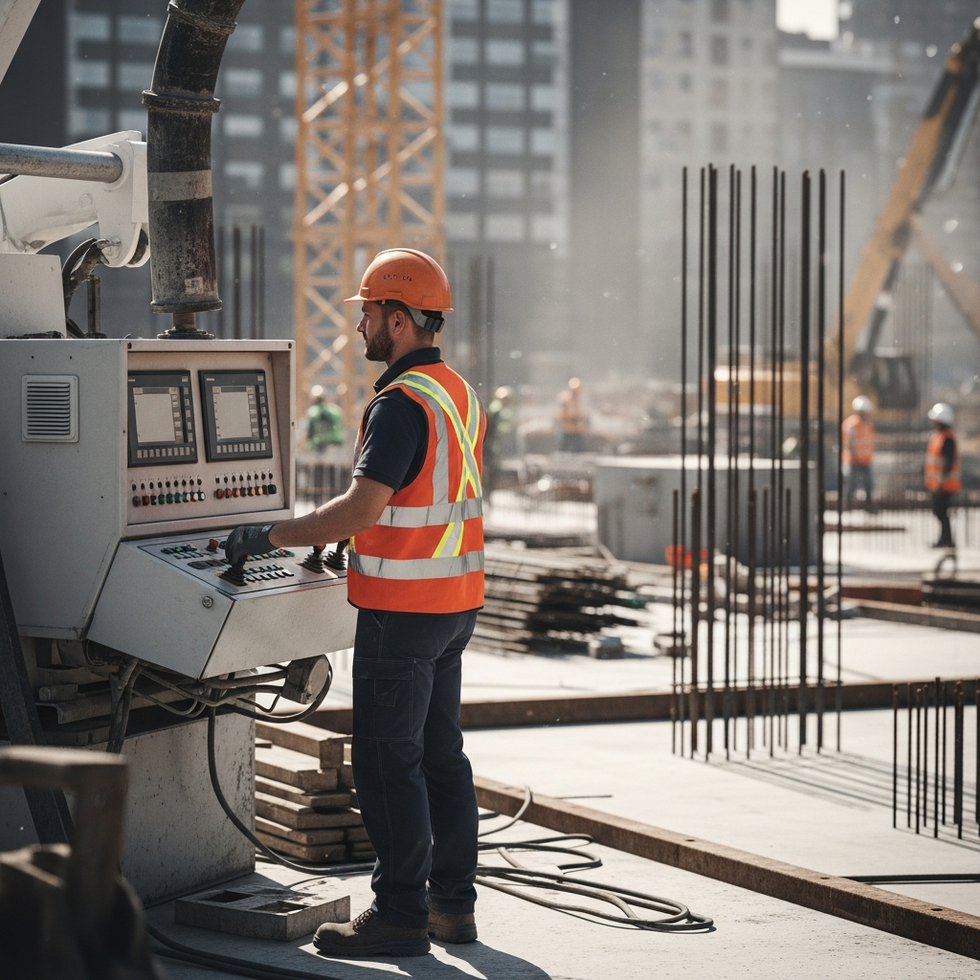
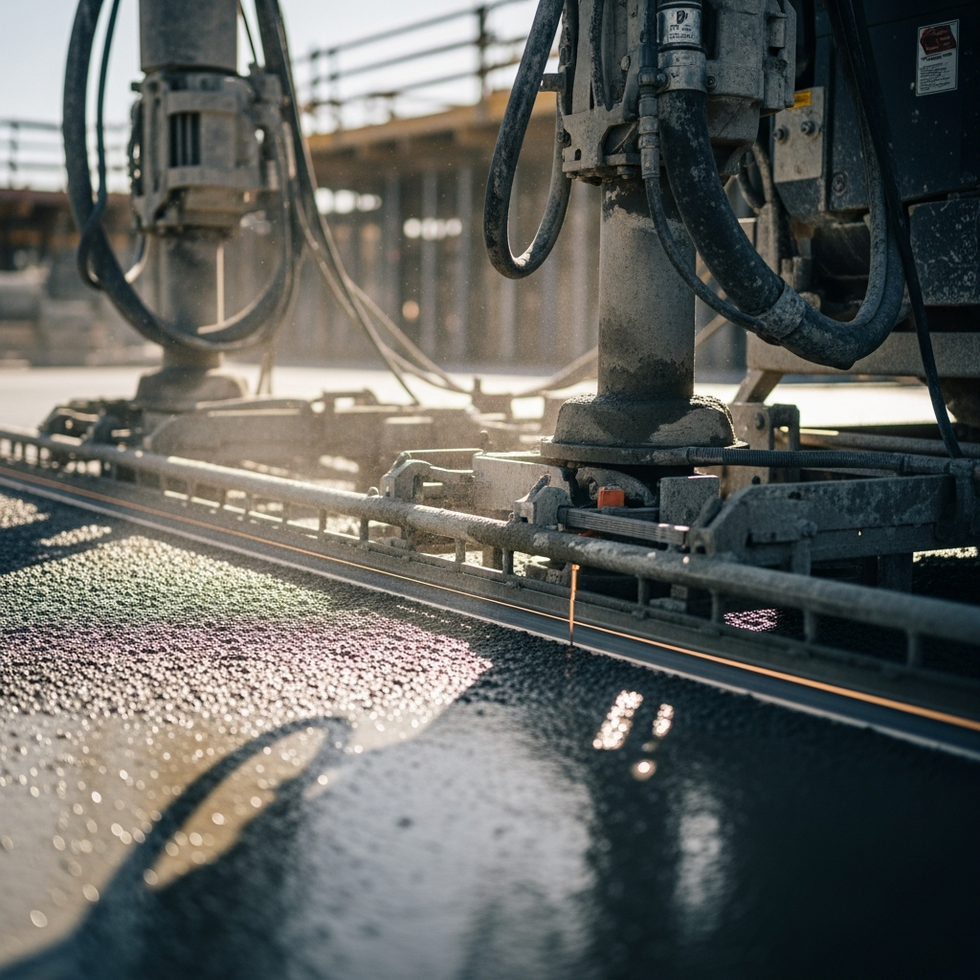
Getting heavy gear to work right matters - it shapes the concrete and keeps schedules on track. People who run this gear must learn more than just driving machines; they require awareness of how concrete behaves during different stages of hardening. Take those running concrete pumps - they often shift pressure and volume on the fly to stop materials from separating or getting stuck, particularly if lines run far or twist through bumpy ground. At the same time, those running automated screeding machines need to match their actions just right with how concrete is added, keeping ground levels steady while avoiding too much strain on the mix - strength might drop if things go off track. Following safety rules and doing scheduled checks matter just as much, helping avoid delays and hazards that could cost a lot. Moving toward electronic command systems and long-distance oversight brings added advantages when it comes to safety and speed, particularly where work covers broad areas. Staying on track with scheduled workouts, practice runs, and sticking to maker rules keeps crews running steady. This consistency feeds into top-notch concrete work along with stronger building frames.