Innovative Approaches to Transporting Oversize RVs Enhancing Safety and Efficiency
Rising RV Shipments Drive the Need for Advanced Transport Solutions
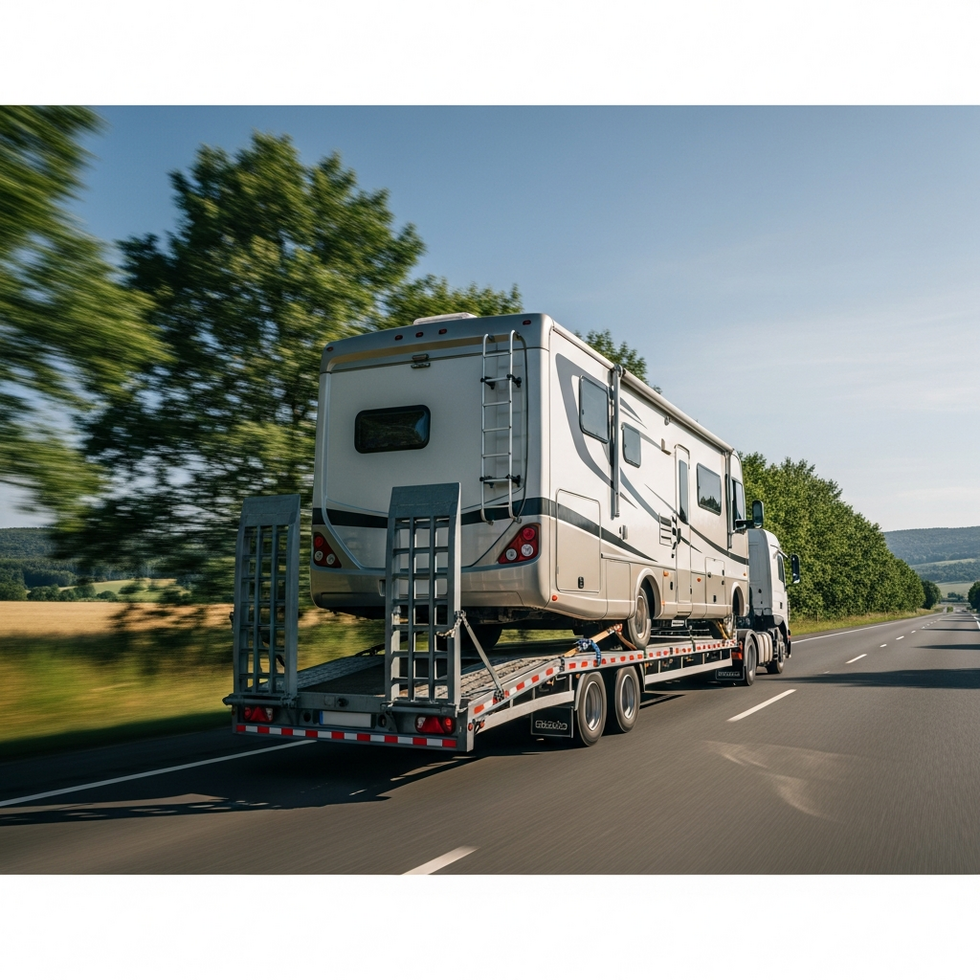
Looking ahead, figures from the RV Industry Association show a lift in wholesale deliveries that should hold steady into next year. Behind this uptick: more people wanting RVs, plus a broader trend toward outdoor living. Moving these units requires careful planning - much like shifting big factory equipment. Paths through towns, special approvals, even weather risks become part of the process when handling massive travel trailers or motorhomes. When more dealerships want deliveries, transport firms adjust how they move goods. Meeting customer needs pushes businesses to rethink routes, timing, safety. Because of steady predictions for RV sales, carriers must update routines carefully. Following proven methods helps handle big vehicle demands better. Each shift in demand reshapes how materials move across regions. What keeps transportation running smoothly often comes down to smart tools, tailored gear, yet tighter rules hold everything together. Efficiency stays alive through careful mixes of tech, dedicated equipment, along with strict oversight shaping daily operations.
Applying Heavy Equipment Hauling Practices to RV Transportation
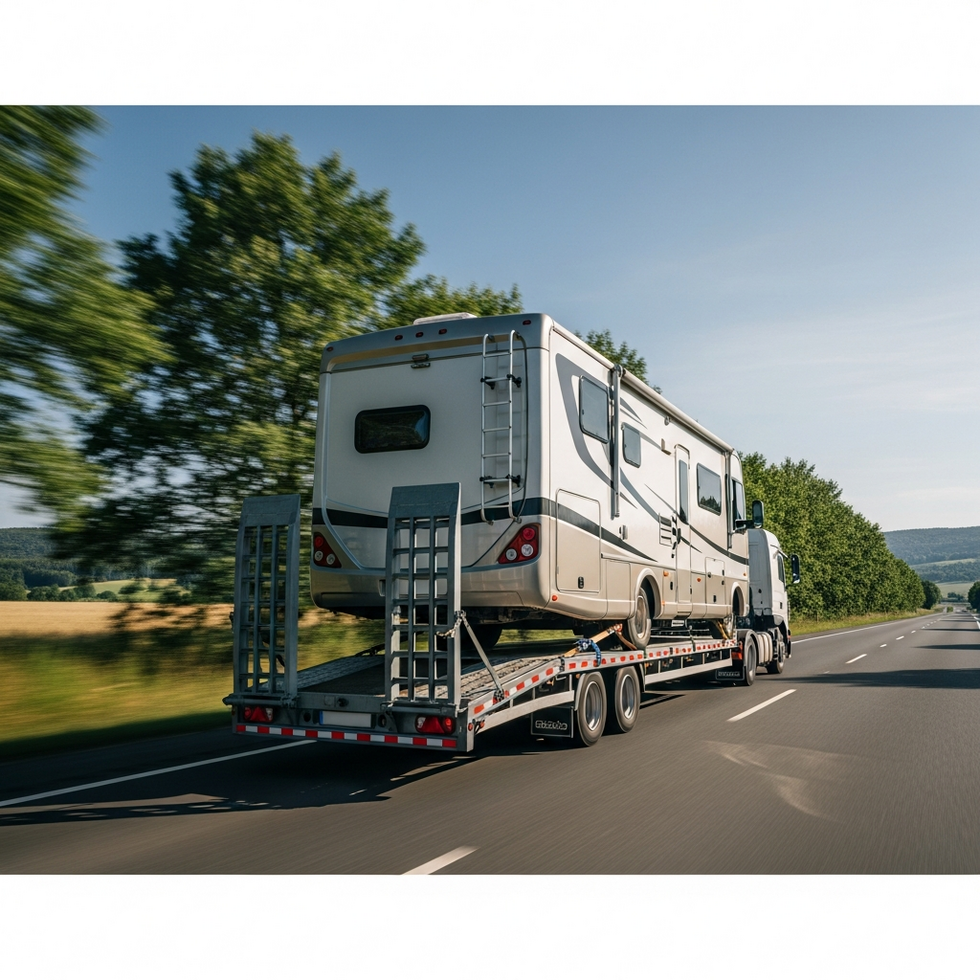
For years, companies moving big machines have built careful routines - ones that work well for large recreational vehicles too. Think deep route checks, custom trailers made for heavy stuff, one last look before heading out. Navigating tight spaces like small bridges or roads with weight limits isn’t new to them either. Following specific paths, using backup crews on busy stretches - these things matter just as much whether it’s a trailer or a motorhome. Starting off, RV movers handle issues before they happen by mapping routes carefully. Instead of waiting, they adapt using smart navigation systems to skip forbidden paths. Much like moving big machines, knowing limitations ahead time makes a difference. On another note, checking equipment often keeps everything secure during transport. Much like heavy gear operations, proper upkeep supports firm footing and reduced risk. With these approaches in place, daily workflows become less chaotic. Risk drops when goods move more reliably. Safety improves without extra fanfare. Rising delivery demands find room to grow under such systems.
Critical Route Planning and Permit Acquisition for Safe RV Transport
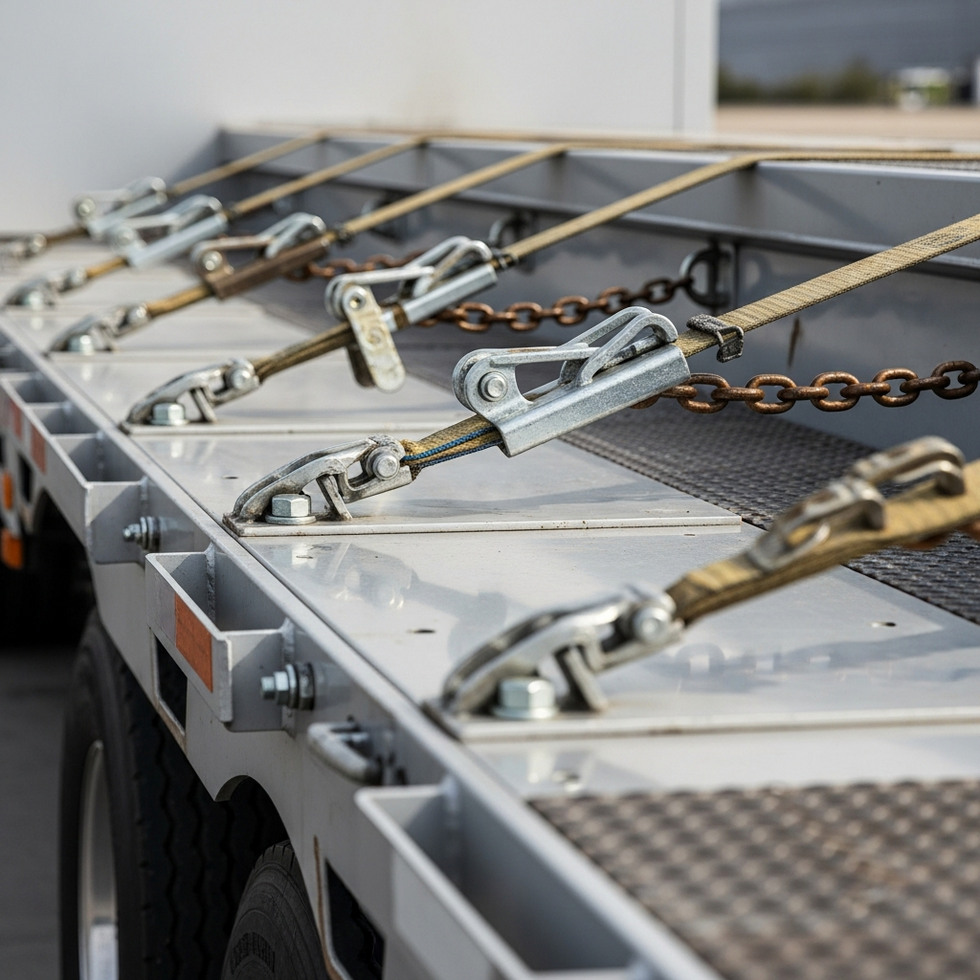
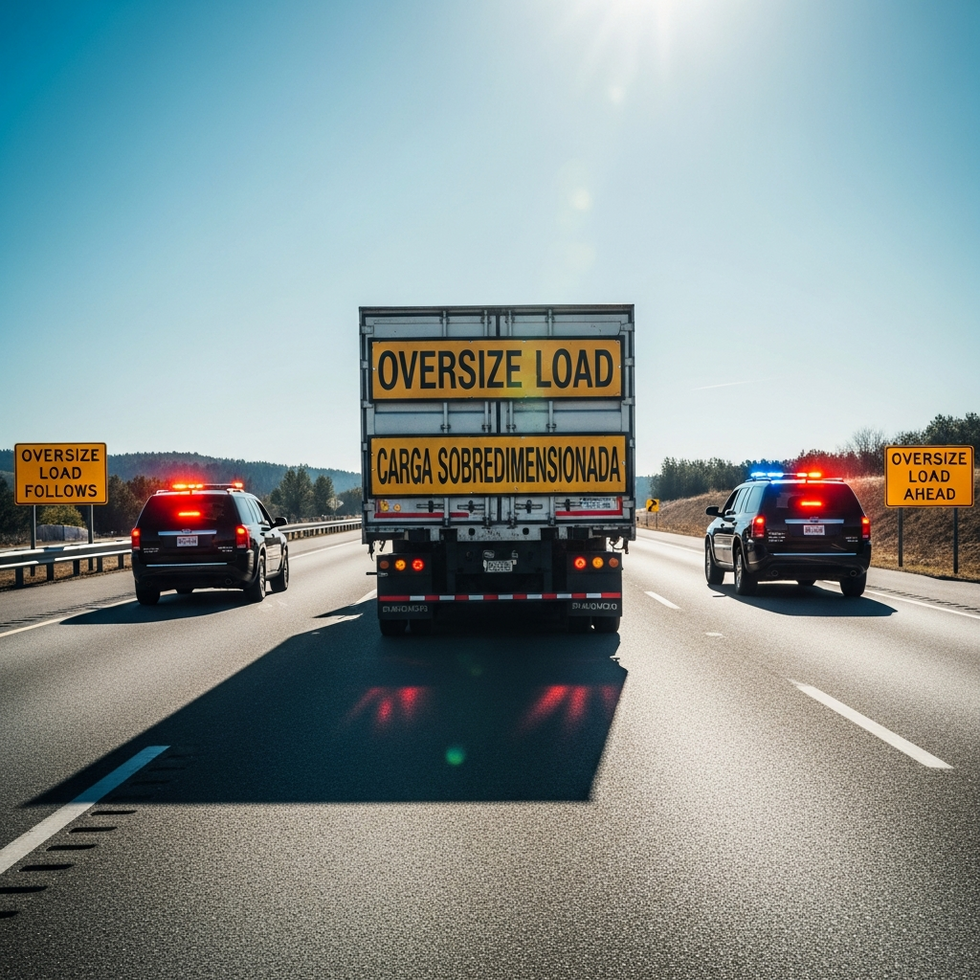
Early planning matters when moving large RVs - knowing local rules, road limits, and what permits are needed makes a difference. Each place sets its own rules about how big a vehicle can be, so travel plans shift often. Getting necessary permits ahead of time keeps things running without hiccups from officers stopping journeys. On top of that, following rules set by groups like FMCSA and DOT keeps things lawful while also helping trucks stay balanced on the road. When large items move, help usually shows up - in the form of escort cars, custom signs, or bright flags - all required by law - showing just how crucial detailed prep really is. Before anything rolls out, stops at weigh spots check if heavy parts sit right across axles, matching exact weights allowed; this kind of check-up eases pressure on roads and keeps people protected. Planning carefully - handling permits, sticking close to safety rules - helps reduce risks, avoids expensive holdups, while ensuring on-time delivery, particularly when demand runs high.
Implementing Safety and Loading Protocols for Secure Transport
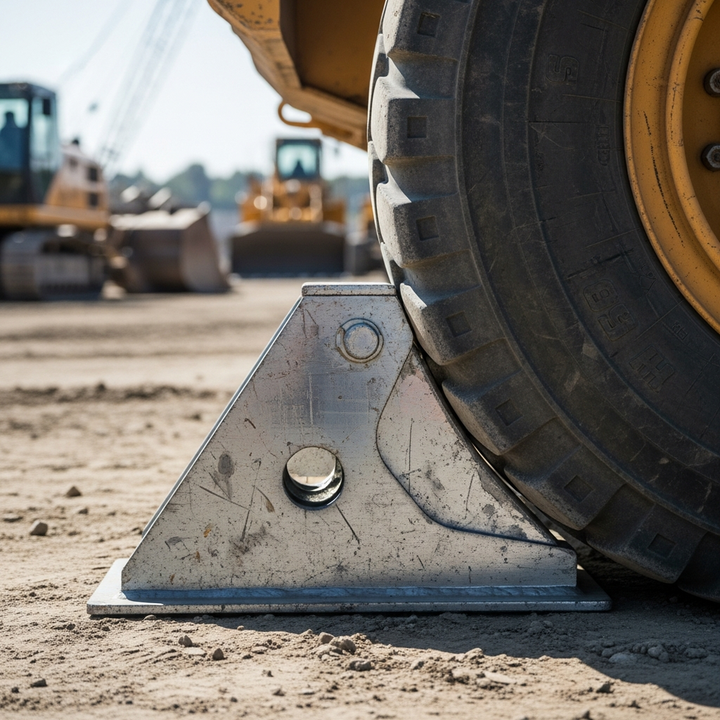
Moving big RVs means safety can slip if you’re not careful. Like moving heavy equipment, timing matters - drivers, loaders, spotters need to talk clearly. One wrong move might end things fast. People stay alert, pace stays low - that keeps things running without surprises. When tie-downs, wheel chocks, and frequent checks are used, chances drop that loads shift or gear fails along the way. How drivers handle big rigs matters too - braking takes time, tight corners demand care, wind or wet roads add risk. Following solid procedures protects people, trucks, cuts delays, keeps deliveries safe and whole.
Final Delivery and Site-Specific Maneuvering Techniques
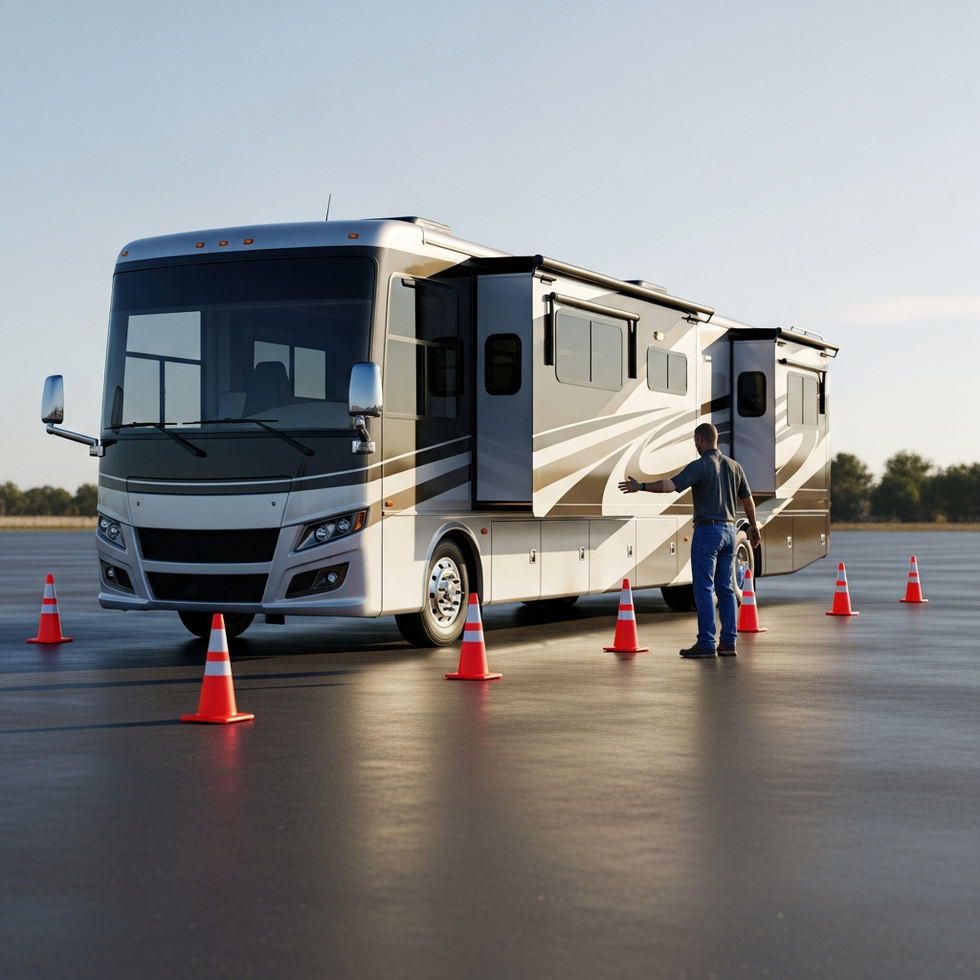
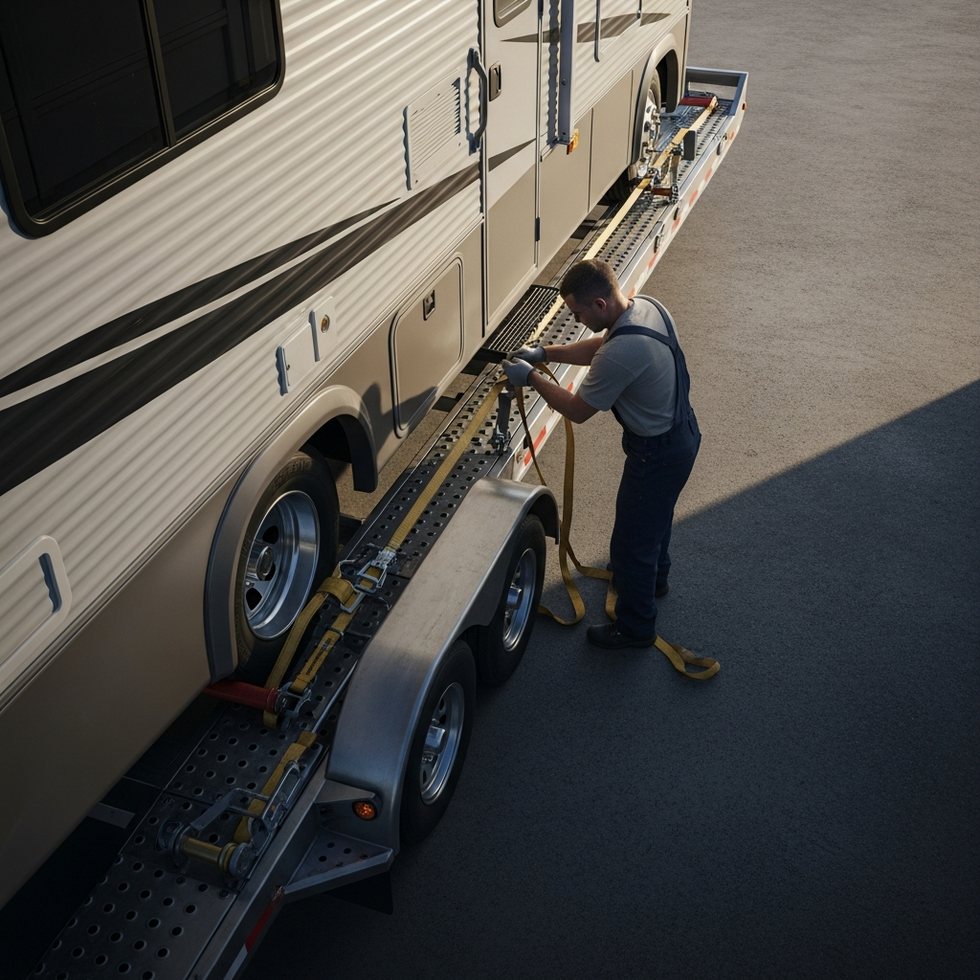
Getting big RVs where they need to go isn’t just about driving on roads. Reaching the destination - whether a showroom or storage lot - often involves tricky terrain, tight entry spots, or things like dangling tree limbs and overhead wires. Before anything moves, walking the location helps spot trouble areas. That moment gives drivers insight into risks, allows talk with local staff, and makes room for extra tools like foldable ramps plus someone extra to assist. When taking things off, having people watch your back, talking clearly, and moving slowly helps avoid problems that might cost money or hurt someone. Doing jobs in daylight makes it easier to see what’s happening, particularly if space is tight or you’re somewhere new. Thinking hard about details once work starts shows how much care goes into getting things right from start to finish.