Elevating Structural Durability with Reinforced Concrete Technologies
Understanding the Foundation of Reinforced Concrete
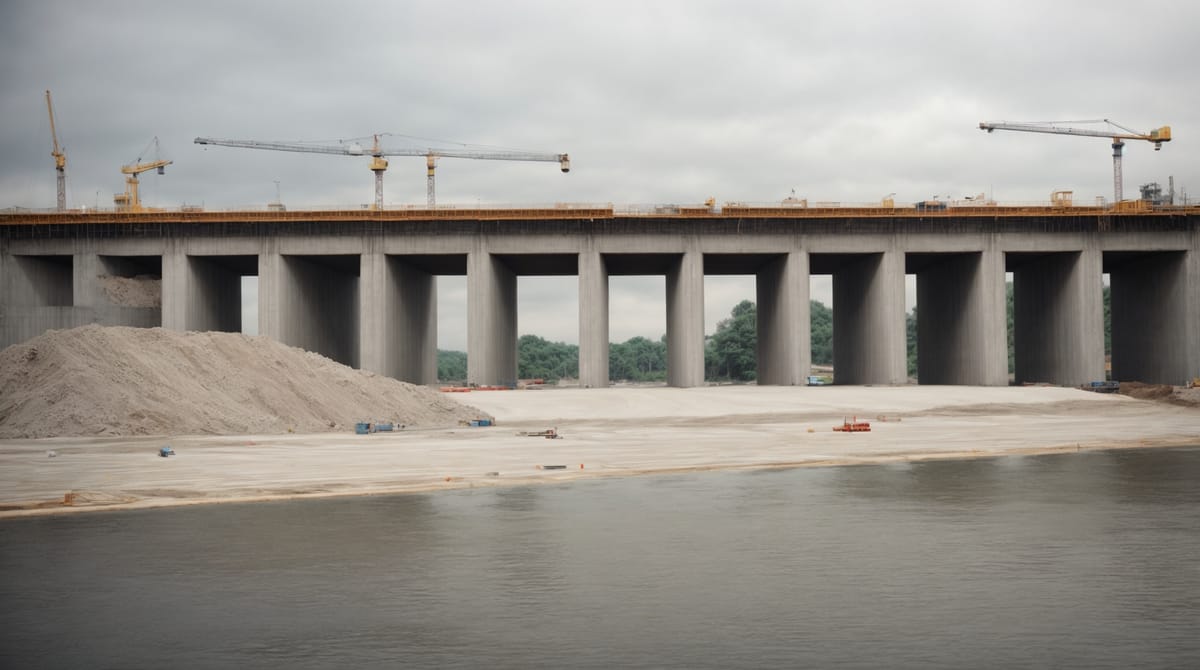
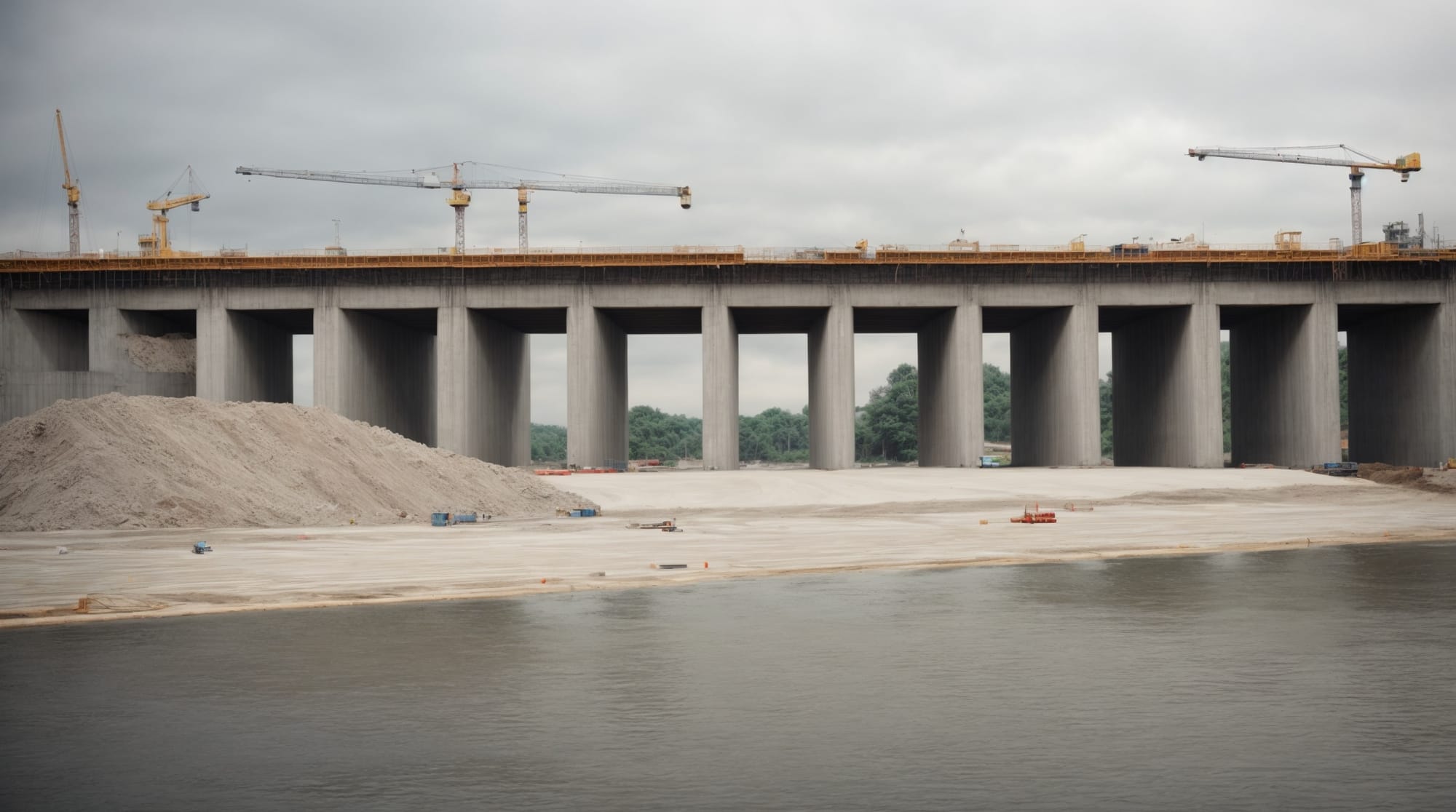
Reinforced concrete, a composite material made of concrete and reinforcing steel, offers improved tensile strength, durability, and lifespan when compared to standard concrete structures. The combination of concrete and steel enables the design and building of stronger and more resilient facilities and infrastructure. This material's versatility renders it suitable for a wide range of uses in the construction sector, from bridges and skyscrapers to homes and commercial buildings. The inherent characteristics of reinforced concrete, such as its capacity to endure significant stresses and environmental factors, establish it as a fundamental component in contemporary construction.
Advancements in Mixing Technology for Improved Quality
The evolution of mixing technology is essential for enhancing the quality of reinforced concrete. Modern mixers guarantee a consistent distribution of materials, leading to concrete that not only fulfills the required strength standards but also demonstrates improved workability and finish. Innovations such as self-compacting concrete and high-performance concrete highlight the progress in concrete technology. These advancements enable the construction of intricate structures with superior structural integrity and reduced maintenance requirements, extending the limits of what is possible in contemporary architecture and engineering.
Impact of Durability on Sustainable Construction Practices
Sustainability in construction is greatly affected by the longevity of the materials utilized. Reinforced concrete, known for its extended lifespan and lesser requirement for replacements or repairs, plays a crucial role in building sustainability. The incorporation of recycled materials in the concrete mix, along with enhancements in the production process, further improves the environmental impact of reinforced concrete. By lowering overall resource consumption and reducing waste, reinforced concrete technologies support eco-friendly construction initiatives, delivering a combined advantage of durability and sustainability.
Real-World Applications and Case Studies
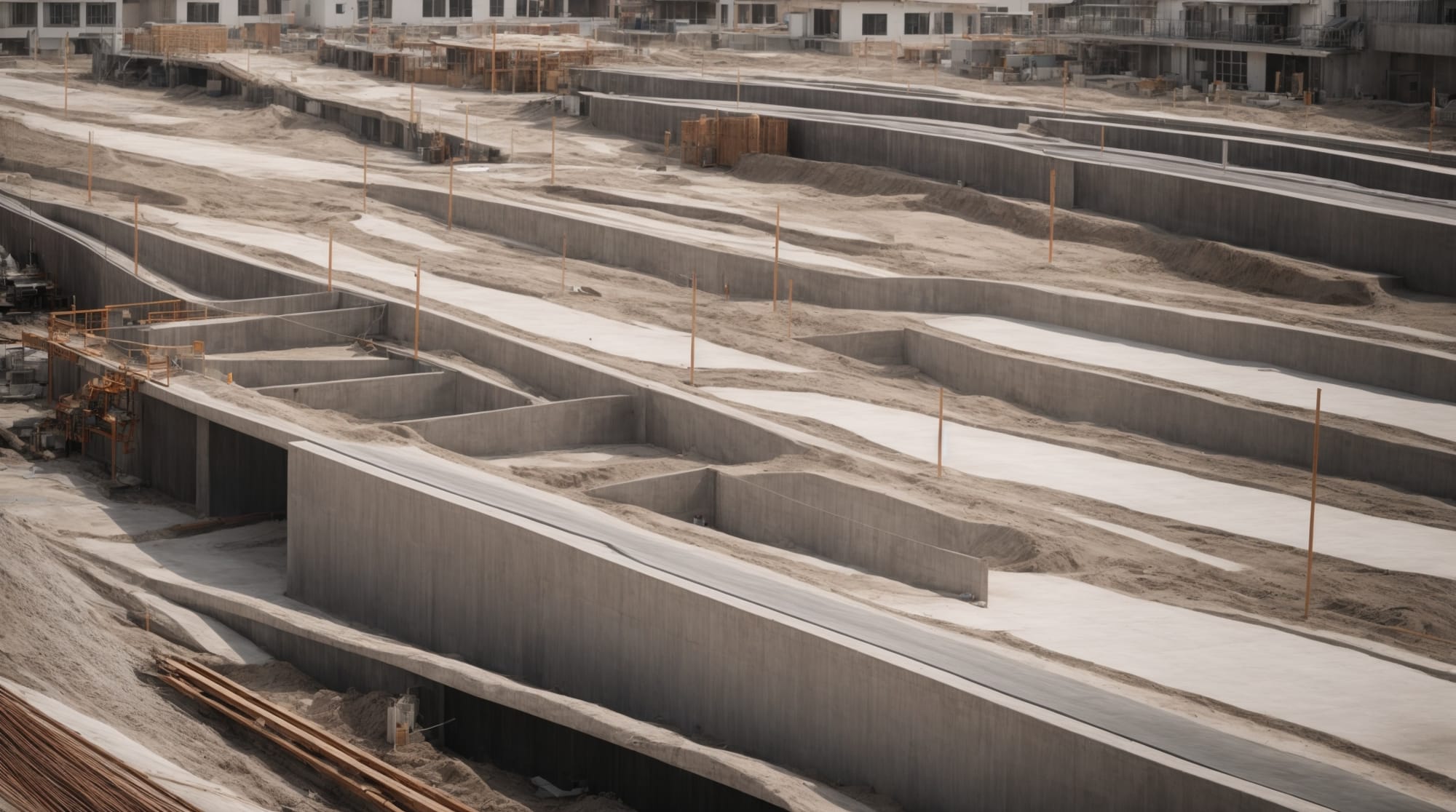
The practicality of reinforced concrete is clear in various global projects that demonstrate its advantages in real-world applications. From earthquake-resistant structures in seismic regions to waterproof underground facilities, reinforced concrete consistently proves its strength. Examples like the construction of the Burj Khalifa and many other landmarks illustrate the vital role that reinforced concrete plays in not only creating architectural wonders but also in building structures that can endure extreme environmental challenges. These examples emphasize the material's versatility and its essential role in contemporary construction.