Advancing Heavy Equipment Insights Focusing on Concrete Technology for Construction Excellence
The Evolution of Heavy Equipment in Concrete Construction
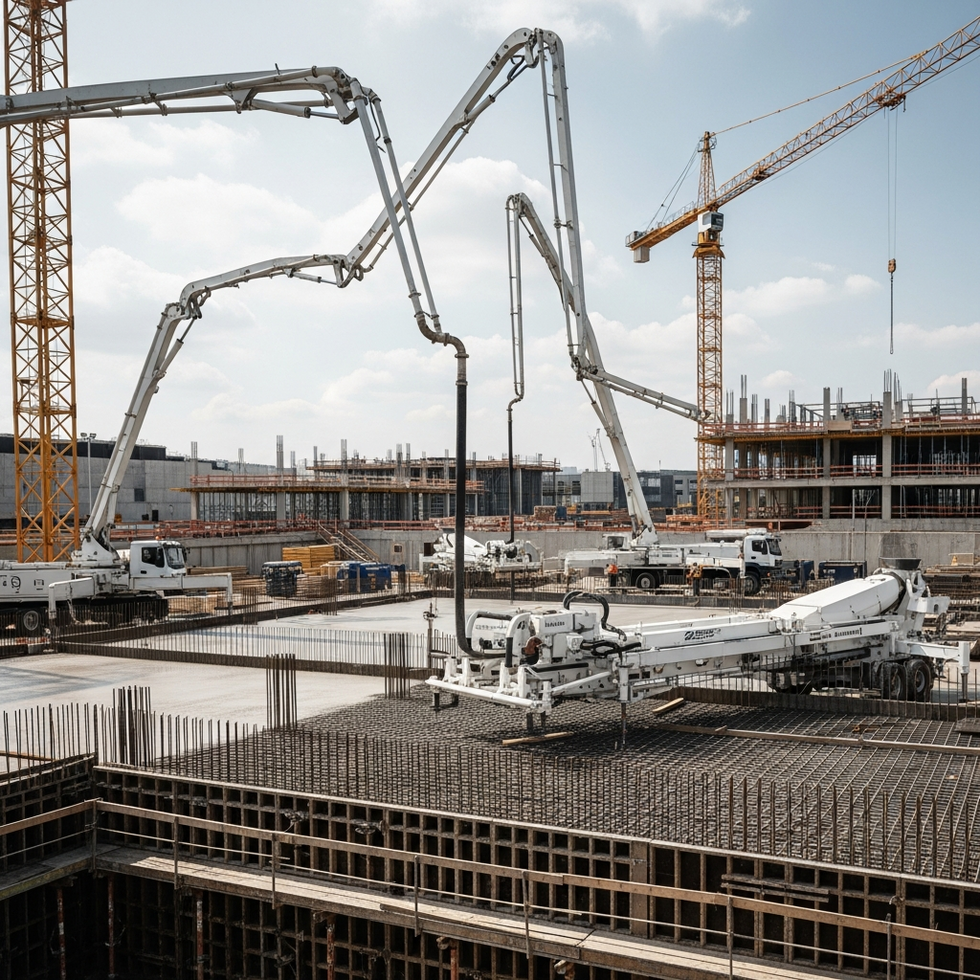
Heavy gear in concrete work changed a lot during recent years, making projects smoother and safer. Back when people mixed concrete by hand, tools were basic - now machines come packed with smart tech like location tracking and self-driving functions. Today's equipment, including high-reach pumps, precision mixers guided by lasers, and machine-run placement tools, shows how automation and connected systems reshape old methods. What used to be slow or guesswork now flows with tighter control, turning rough-site chaos into finely tuned workflows. Faster progress on sites comes mostly from better tech. Quality gets a boost while less material ends up wasted because steps are more precise. Workers stay safer when fewer hands deal with bulky, dense items. Firms that spend heavily on high-end gear show they care about smooth operations - take Schwing and Putzmeister, names that stand out in creativity. Bigger builds, full of tangled tasks, now depend heavily on machines built exactly for pouring concrete. That shift sharpens how gears, sensors, and software connect - remaking old workflows through smart links between metal and code.
Innovative Technologies Shaping the Future of Concrete Equipment
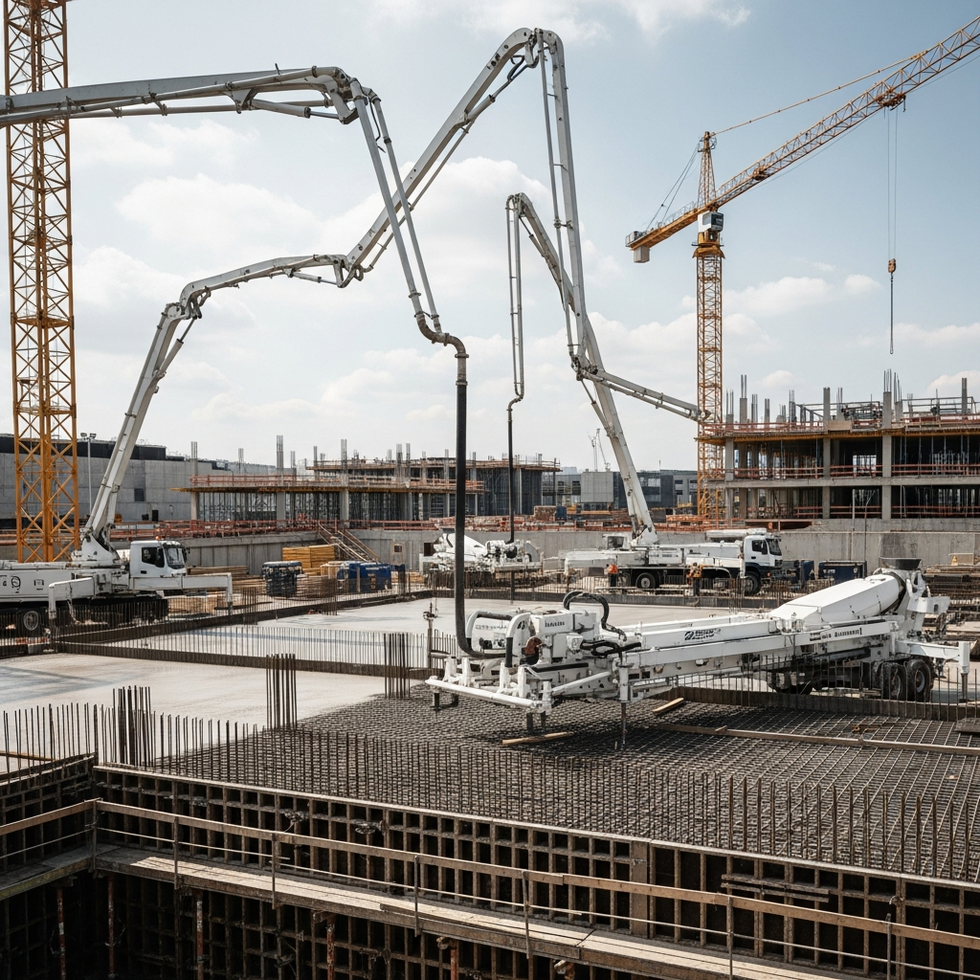
Out here in concrete country, change is brewing thanks to tech shifts and eco-awareness. Digital tools now team up with eco-minded ideas to reshape how things are built. Picture mixers run by distant operators, form setups tracked by sensors, systems that show results as they happen - these help crews hit targets more precisely, toss less excess aside. Take those smart sensors: they catch shifts in mix firmness and heat, adjusting recipes and drying clocks on their own. What's more, a move toward electric machines is picking up speed - less dependence on petroleum-based fuels, cleaner output where buildings rise. Meeting tougher nature rules now drives much of this change, shaping how work gets done outdoors. Firms such as Caterpillar and Volvo bring out battery-powered tools like compactors and mixers, built not just to perform well but also gently on the planet. What stands out is how 3D designs paired with robotic systems help place concrete accurately - particularly in intricate shapes - cutting down on manual effort while boosting overall safety. This shift brings fresh potential to traditional concrete methods, opening doors to sharper, stronger, and longer-lasting structures without heavy environmental impact.
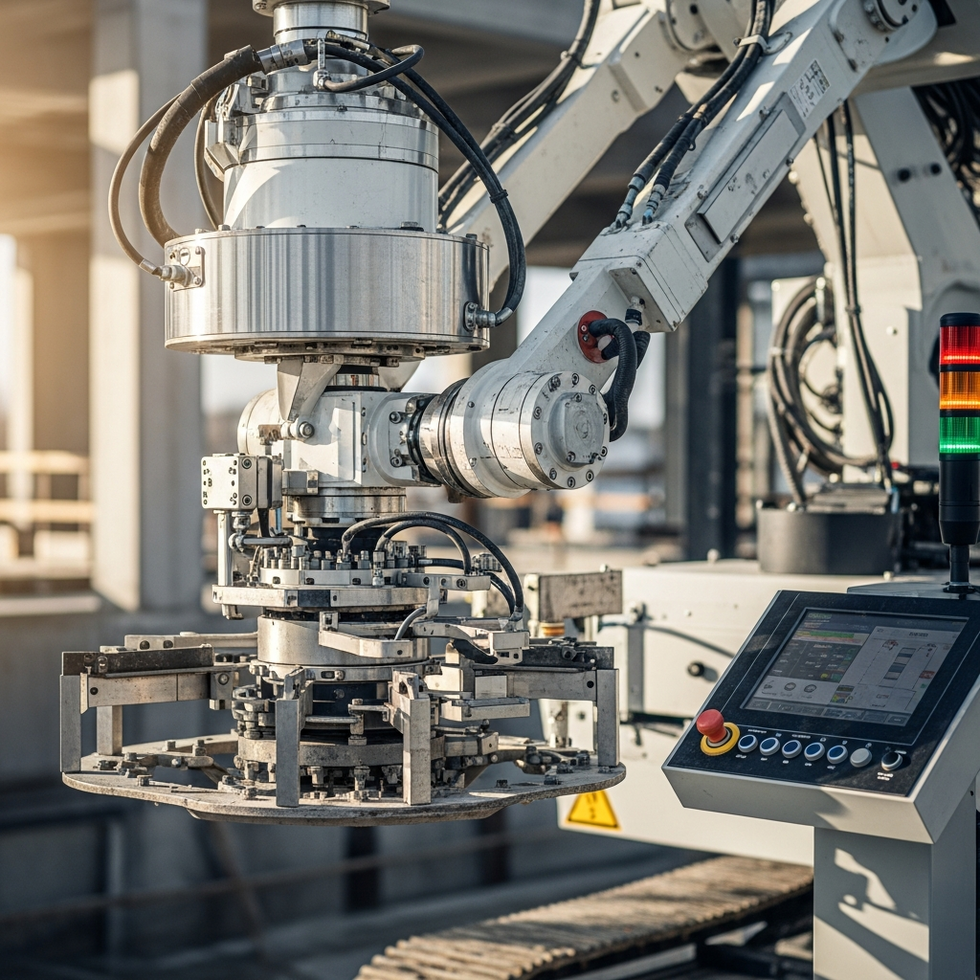
Safety and Efficiency Driven by High-Tech Heavy Machinery
Safety always leads when building with concrete, especially since new machines now protect people better while working faster. Workers can control big gear from a safe spot thanks to tech like moving pump speeds, warning sensors, or long-range controls - this cuts down hazards. Take modern crane-like pumps: they spot obstacles before hitting them, so nobody gets hurt near buildings or people. That kind of update simply makes places safer without slowing things down. With smarter tools comes smoother operation - machines guided by global positioning now place concrete accurately in intricate shapes, cutting down on touch-ups by workers. Because of this shift, work moves quicker, hazards dip, expenses shrink for crew hiring. Firms such as Sany and Zoomlion, noticing risks, pour funds into safer equipment to shield those on site. With safety tech woven into how operations run - like digital control centers - teams get instant visibility, allowing fast moves when risks pop up. This setup keeps building work tightly secured without slowing down progress one bit.